Summit Bridge
NBI Information
Location
State: Delaware
County: New Castle County
Feature Carried: DE-71 and DE-896
Feature Crossed: Chesapeake and Delaware Canal
Latitude, Longitude: 39.5408,-75.7383
Toll: On free road
Maintenance Responsibility: Corps of Engineers (Civil)
Structure Open, Posted, or Closed to Traffic: Open, no restriction
History
Year Built: 1959
Historical Significance: Bridge is not eligible for the National Register of Historic Places.
Year Reconstructed: 1987
Picture Date: September 16, 2026
Geometry
Lanes on Structure: 4
Lanes under Structure: 0
Skew: 0 degrees
Number of Main Spans: 3
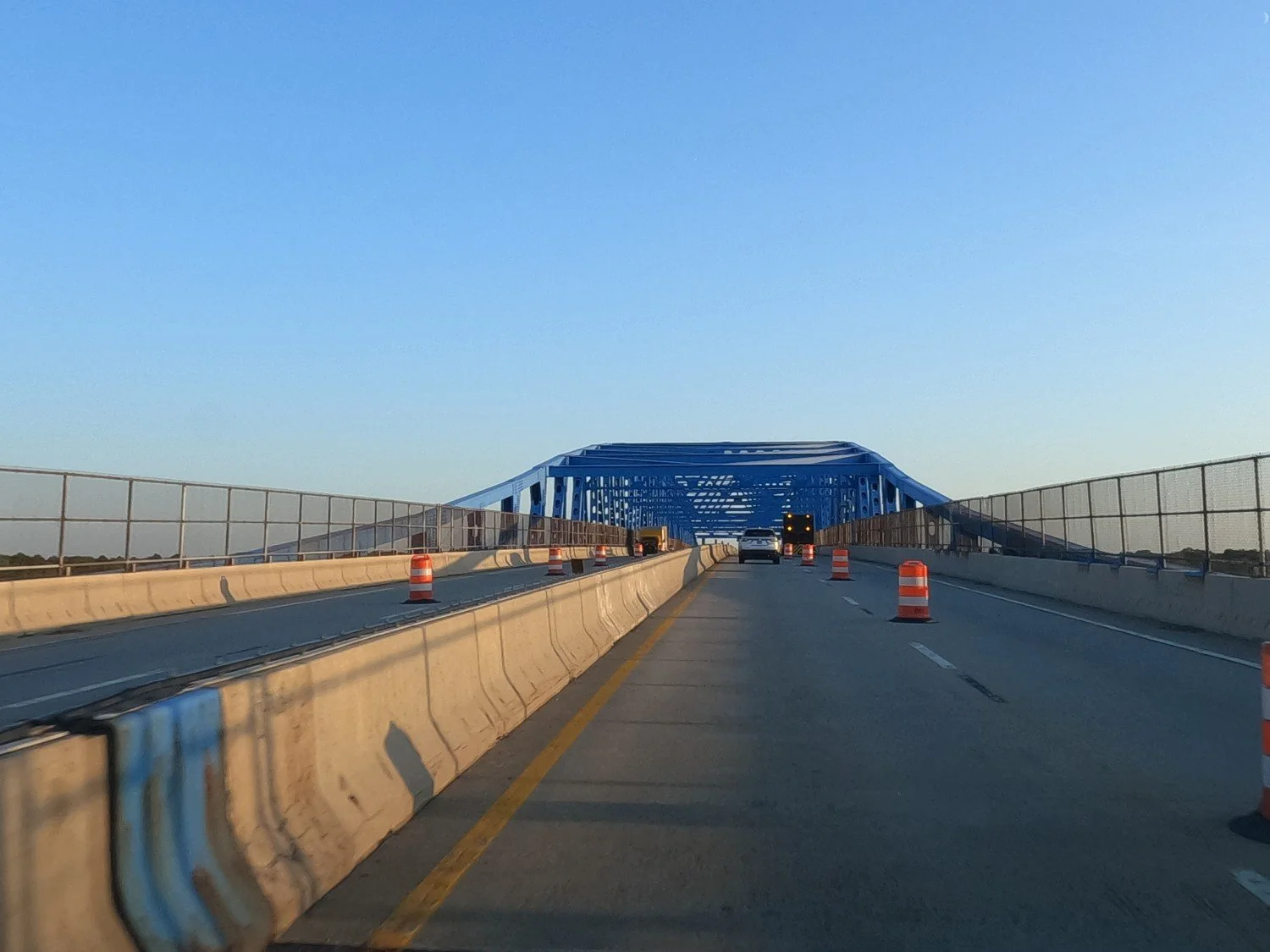
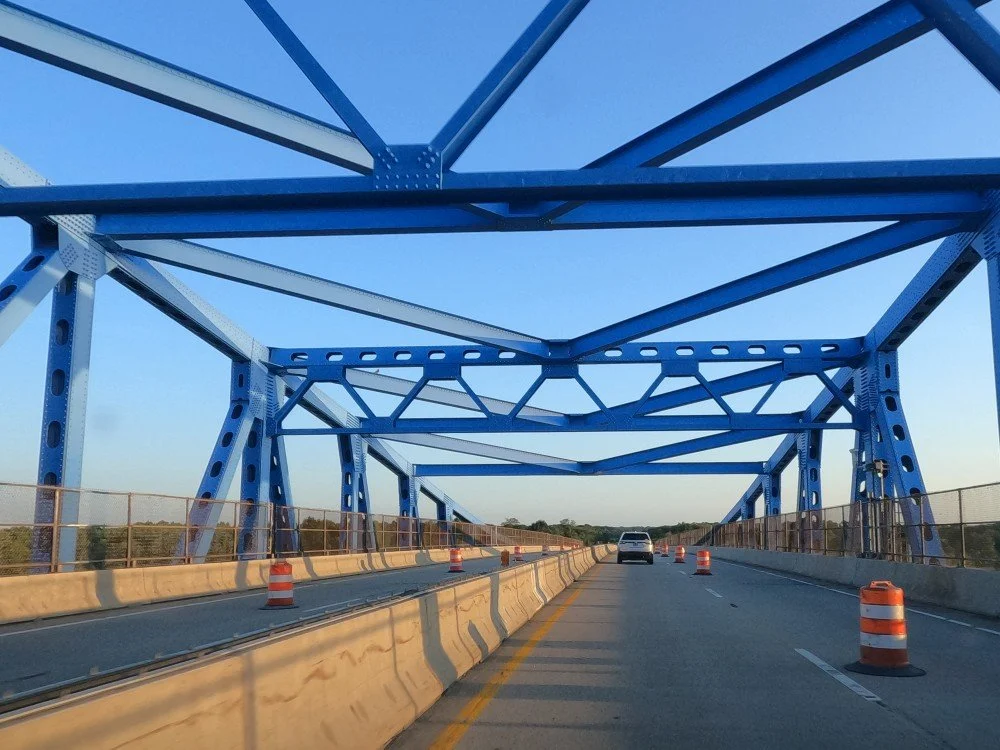
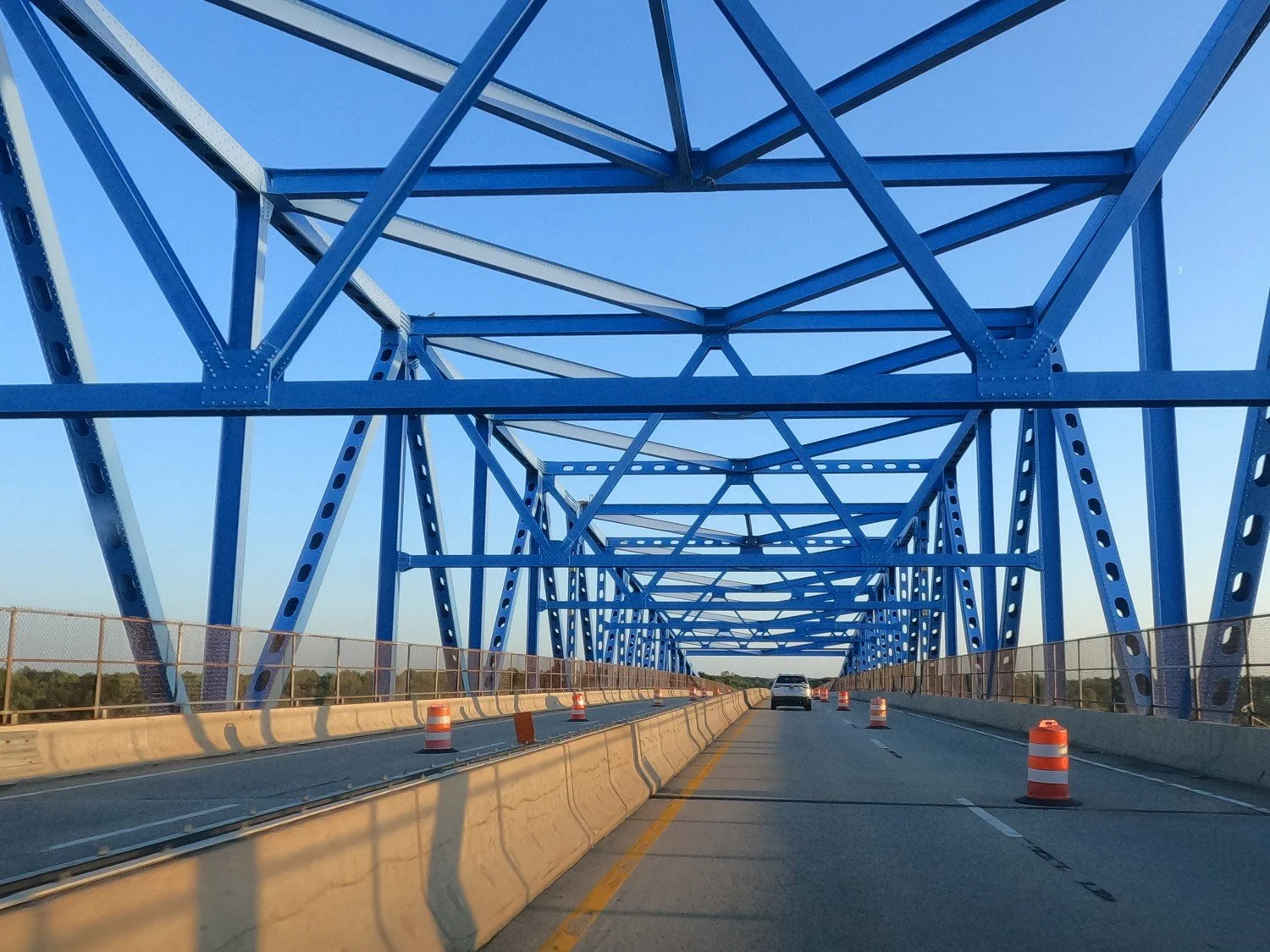
Main Structure Type: Truss - Thru
Main Structure Material: Steel
Number of Approach Spans: 6
Approach Structure Type: Stringer/Multi-beam or Girder
Approach Structure Material: Steel
Condition
Inspection Date: June 2024
Deck Condition: Satisfactory
Superstructure Condition: Fair
Substructure Condition: Satisfactory
Channel Condition: Very Good
Culvert: Not Applicable
NBI Year: 2024
Bridge Information
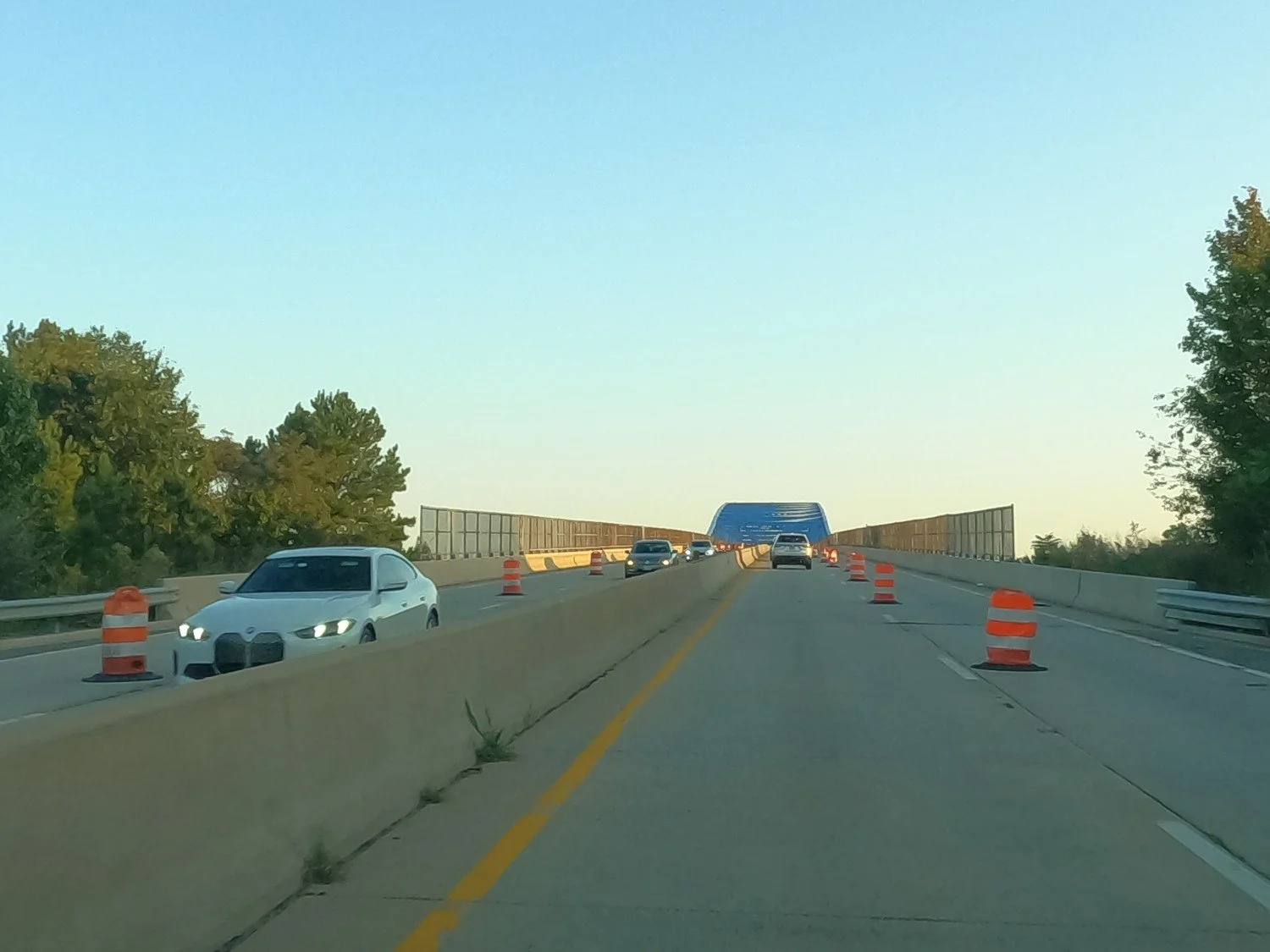
The Summit Bridge is a Polygonal Warren Through Truss Bridge the was constructed by the U.S. Army Corps of Engineers from 1957 to 1960. It is one of the five vehicular bridges over the Chesapeake and Delaware Canal.
The original bridge at this site was a 250-foot-long wooden covered bridge that was built before the canal was built. In 1829, the canal was dug underneath the bridge. In 1867, the covered bridge was dismantled and replaced with a bascule bridge. As the canal was expanded in the 1920’s a replacement was needed, and a Pratt through truss vertical lift bridge was built from 1924 to 1926. This bridge was hit by vessels several times but was never destroyed.
The bridge was closed to traffic on February 12, 1949, after a landslide on the north bank threatened the stability of the bridge. Significant cracks were discovered at the base of the north abutment. The bridge was repaired and reopened in May of that year.
This incident led to a movement to replace the bridge. It was decided that a high-level bridge would be built to eliminate the need for a movable bridge and place the piers well outside the shipping channel. The new bridge was dedicated on January 9, 1960, and featured a main span of 400 feet and a vertical clearance of 135 feet for vessels.
The idea for a canal across the Delmarva Peninsula began with a survey of possible routes in 1764, and construction started soon after. However, construction was halted in 1806 over a lack of funds. The project was recommenced in 1822 with additional surveys to gain a more complete view of the project, construction resumed in 1824, and the canal opened in 1829. The canal was 14 miles long, with a uniform depth of 10 feet and width of 66 feet. As vessels became larger and deeper, they could no longer pass through the canal and locks, and the traffic in the canal began to decline. This was intensified by the construction of the New Castle & Frenchtown Railroad.
In 1906, President Theodore Roosevelt appointed a commission to study the feasibility of enlarging the canal. The canal was acquired by the federal government, and construction began in the 1920’s. This project removed all the locks, replaced all the bridges over the canal, and enlarged the canal to have a depth of 12 feet and a width of 90 feet. The new canal opened in May of 1927.
The canal was enlarged again from 1935 to 1938 as the size of the ships continued to increase. The new canal was 27 feet deep and 250 feet wide. The canal traffic soon outpaced the canal's capacity, leading to accidents and one-way traffic restrictions. Eight ships collided with bridges between 1938 and 1950, resulting in catastrophic failures and fatalities. The canal was widened for a final time from 1962 to 1968 to 35 feet deep and 450 feet wide.
References
Cahal, Sherman. “Summit Bridge.” Bridges and Tunnels, https://bridgestunnels.com/location/summit-bridge/. Accessed 7 Oct. 2026.
Weeks, John A. “Summit Bridge.” John Weeks, http://johnweeks.com/c-and-d-canal/pages/summit.html. Accessed 7 Oct. 2026.