Main Street Bridge
NBI Information
Location
State: New Jersey
County: Hunterdon County
Feature Carried: Main Street
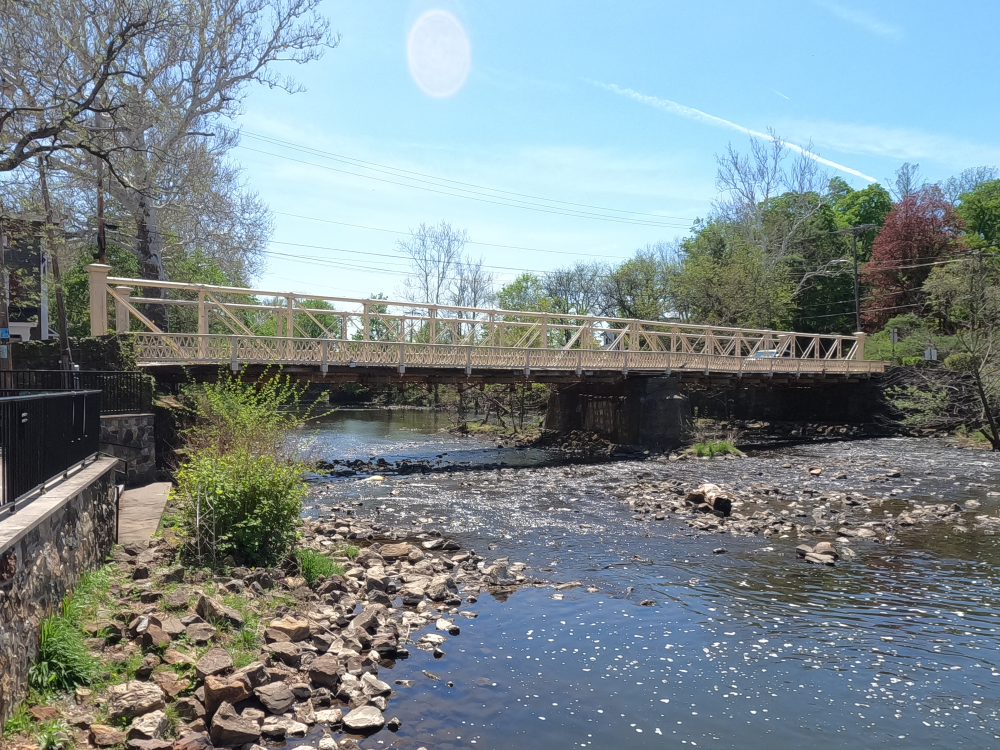
Feature Crossed: South Branch Raritan River
Latitude, Longitude: 40.6359,-74.9123
Toll: On free road
Maintenance Responsibility: County Highway Agency
Structure Open, Posted, or Closed to Traffic: Posted for load (may include other restrictions such as temporary bridges which are load posted)
History
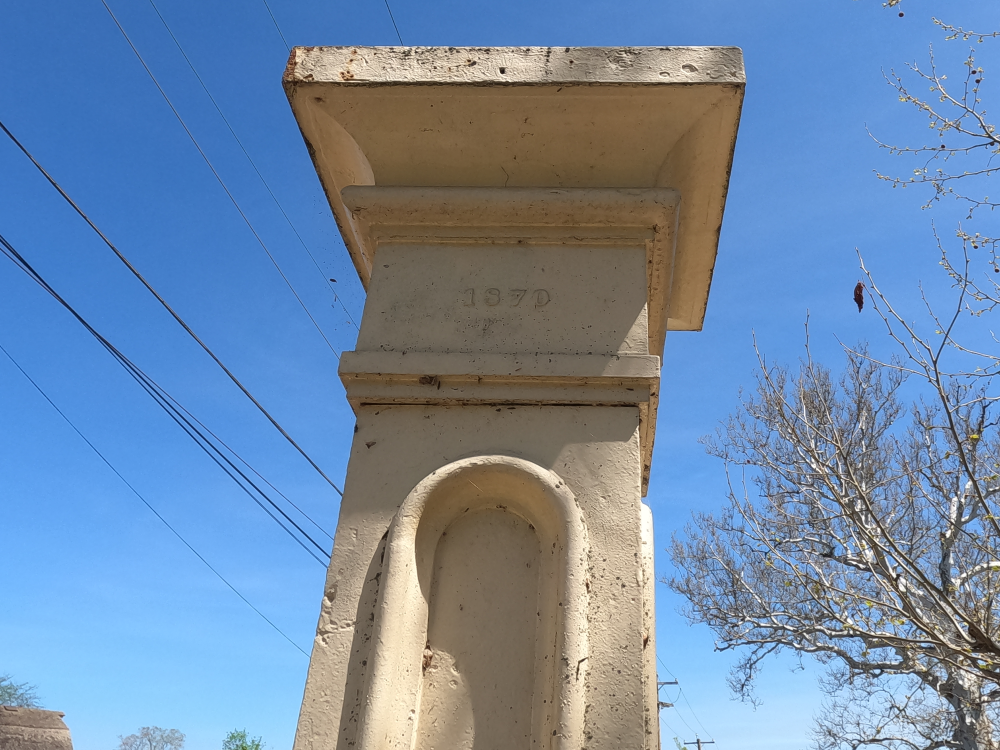
Year Built: 1870
Historical Significance: Bridge is on the National Register of Historic Places.
Year Reconstructed: None
Picture Date: April 18, 2026
Geometry
Lanes on Structure: 1
Lanes under Structure: 0
Skew: 26 degrees
Number of Main Spans: 2
Main Structure Type: Truss - Thru
Main Structure Material: Aluminum, Wrought Iron, or Cast Iron
Number of Approach Spans: None
Approach Structure Type: None
Approach Structure Material: None
Condition
Inspection Date: June 2023
Deck Condition: Fair
Superstructure Condition: Poor
Substructure Condition: Fair
Channel Condition: Good
Culvert: Not Applicable
NBI Year: 2025
Bridge Information
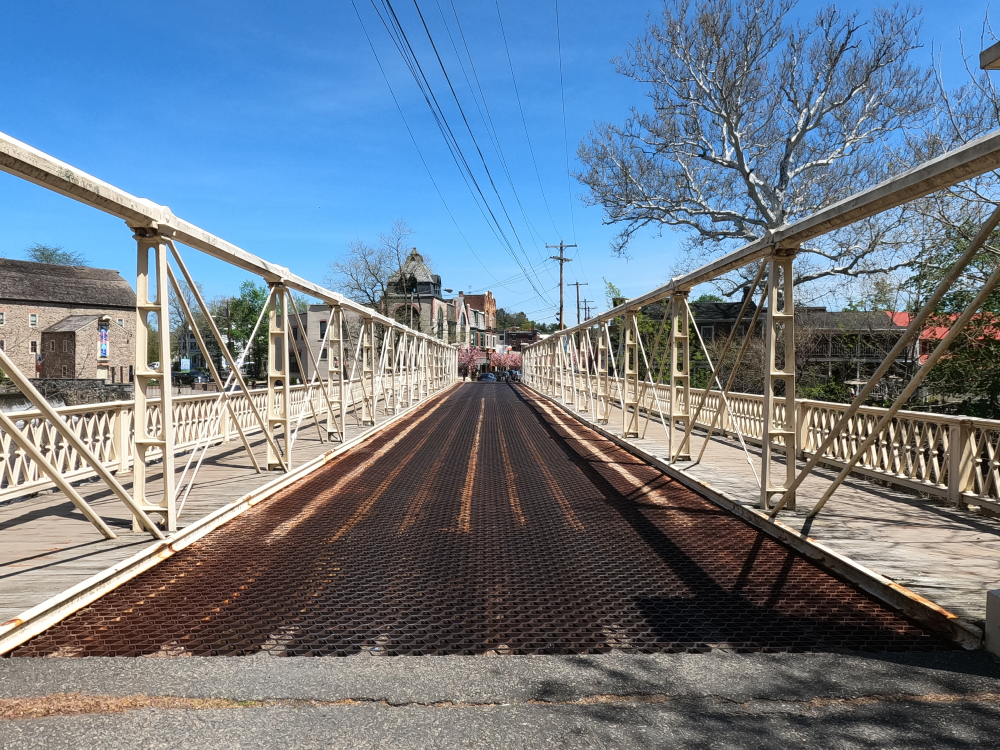
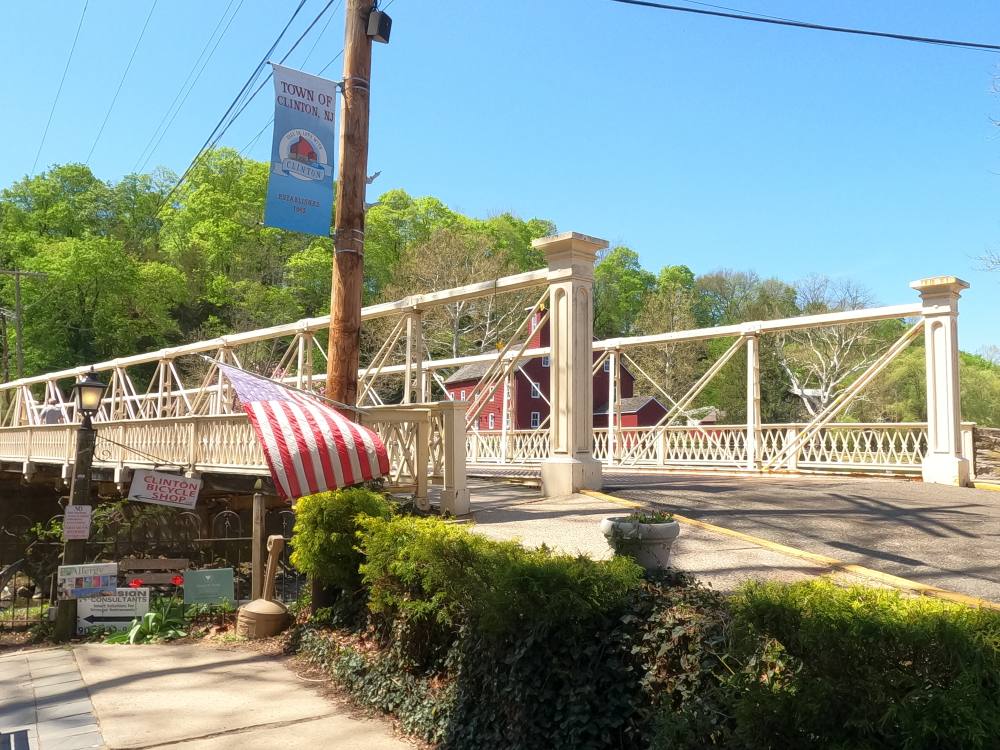
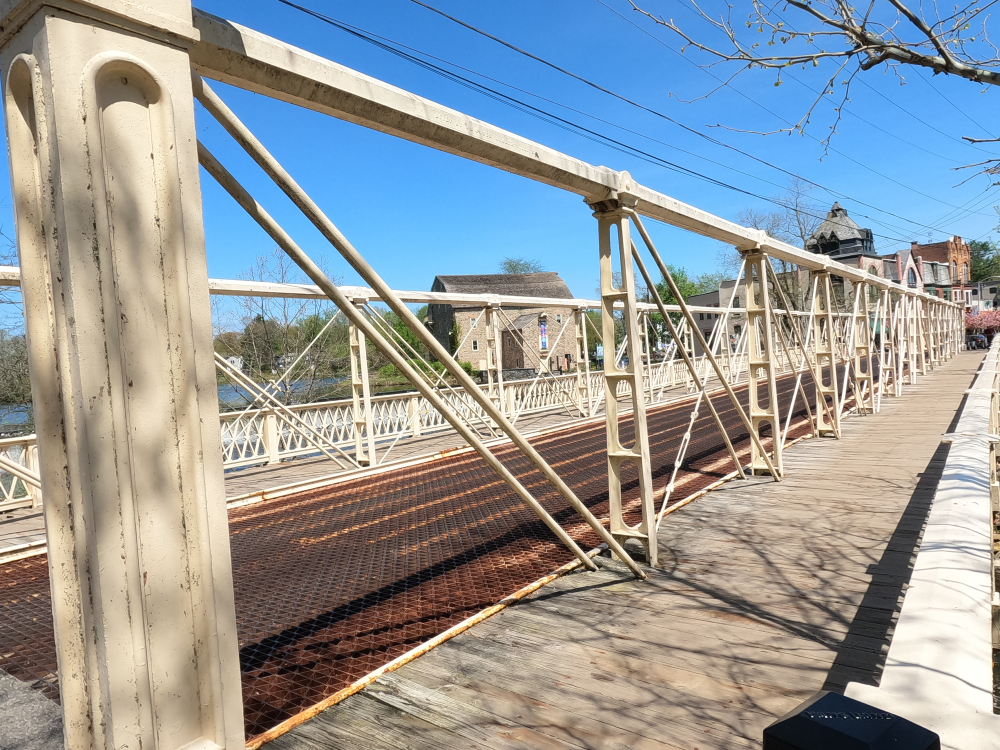
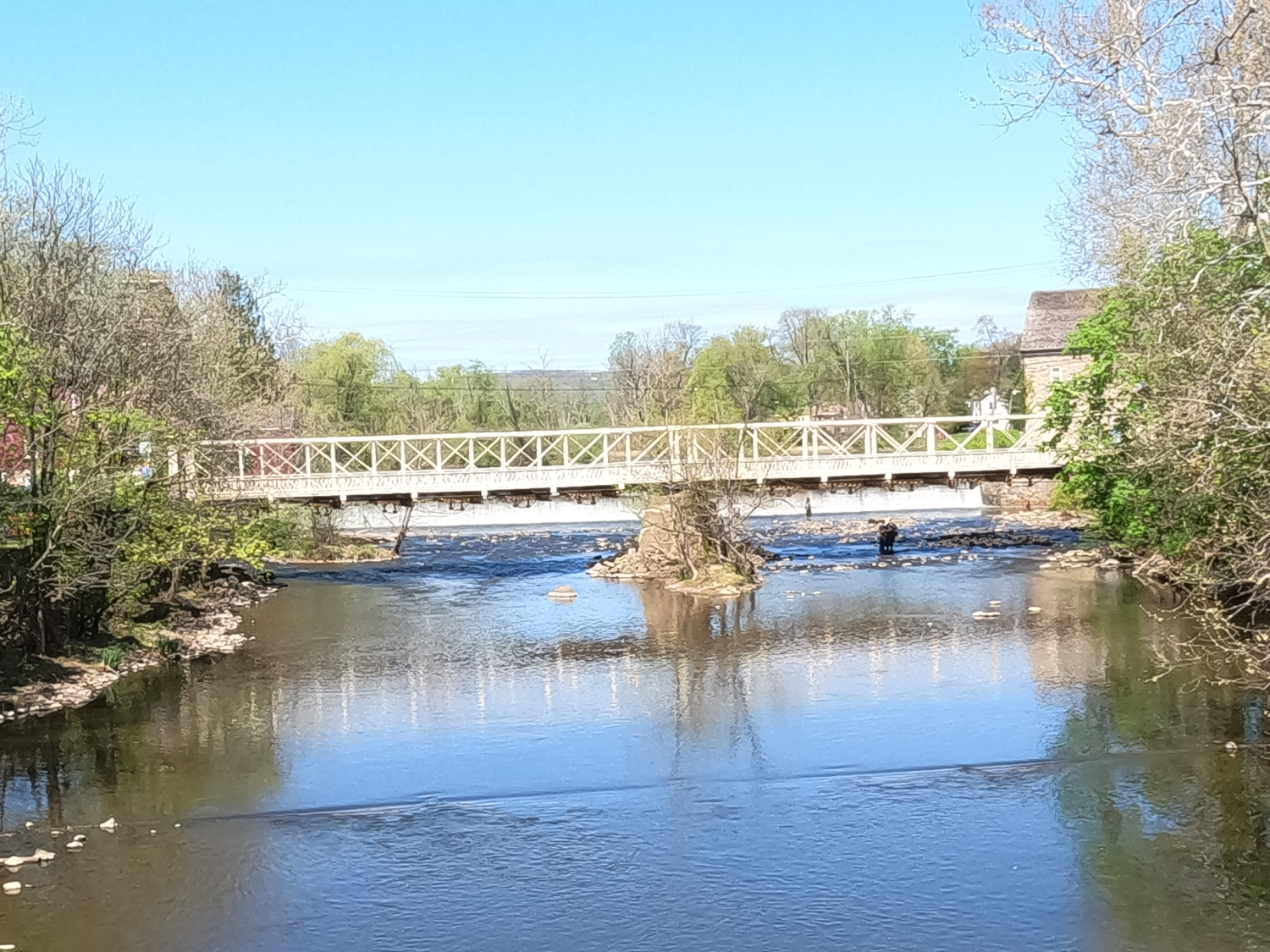
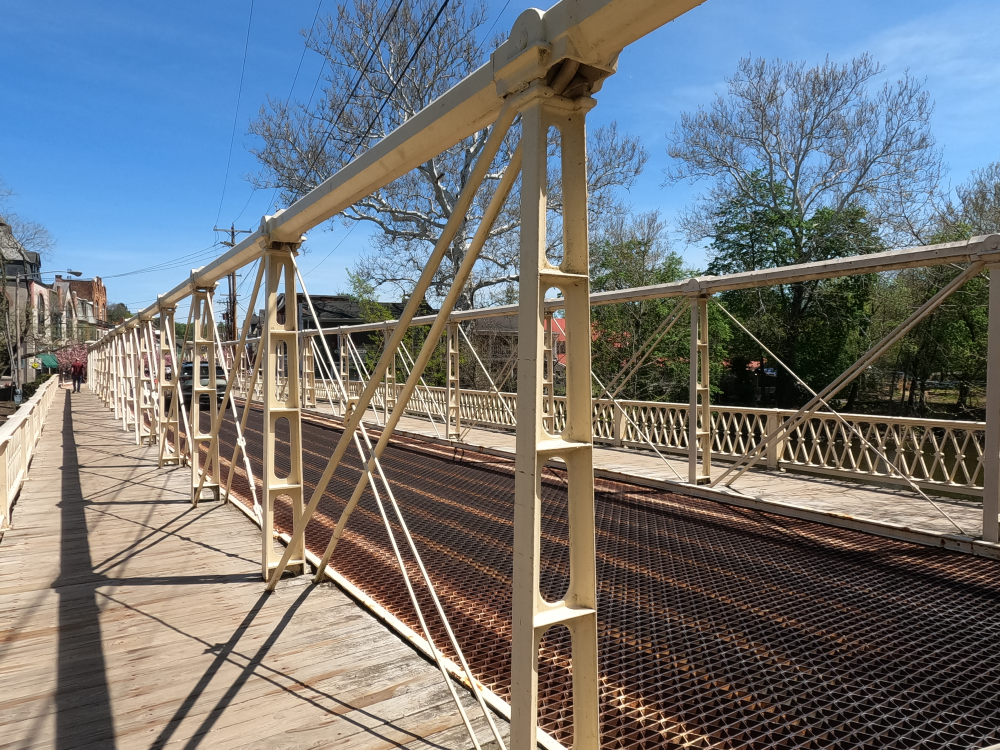
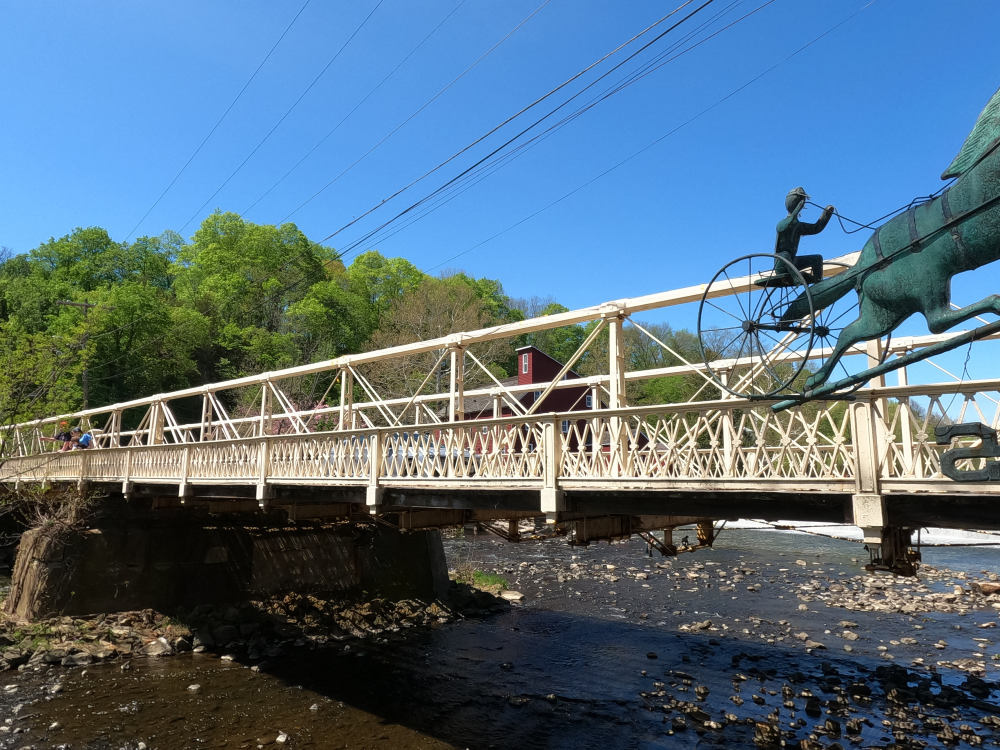
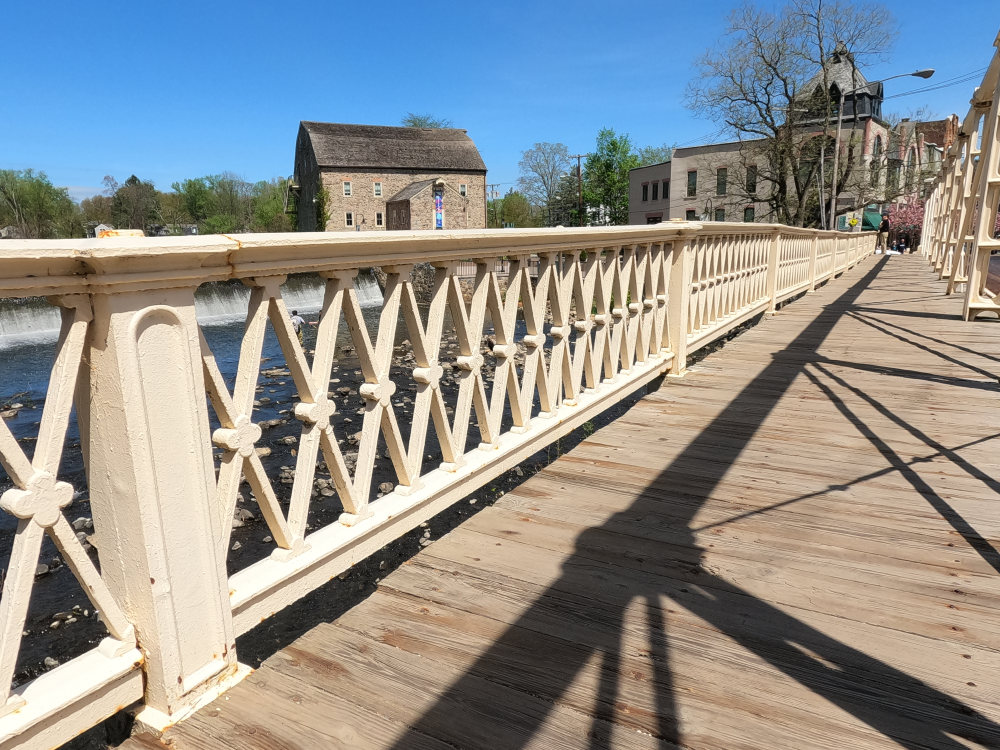
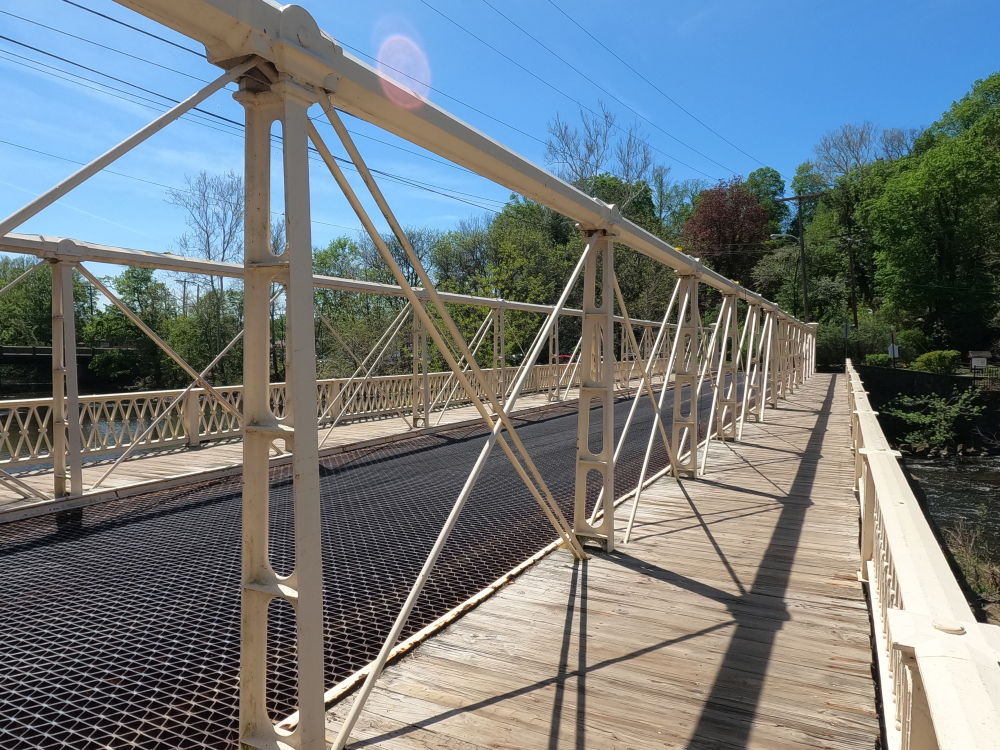
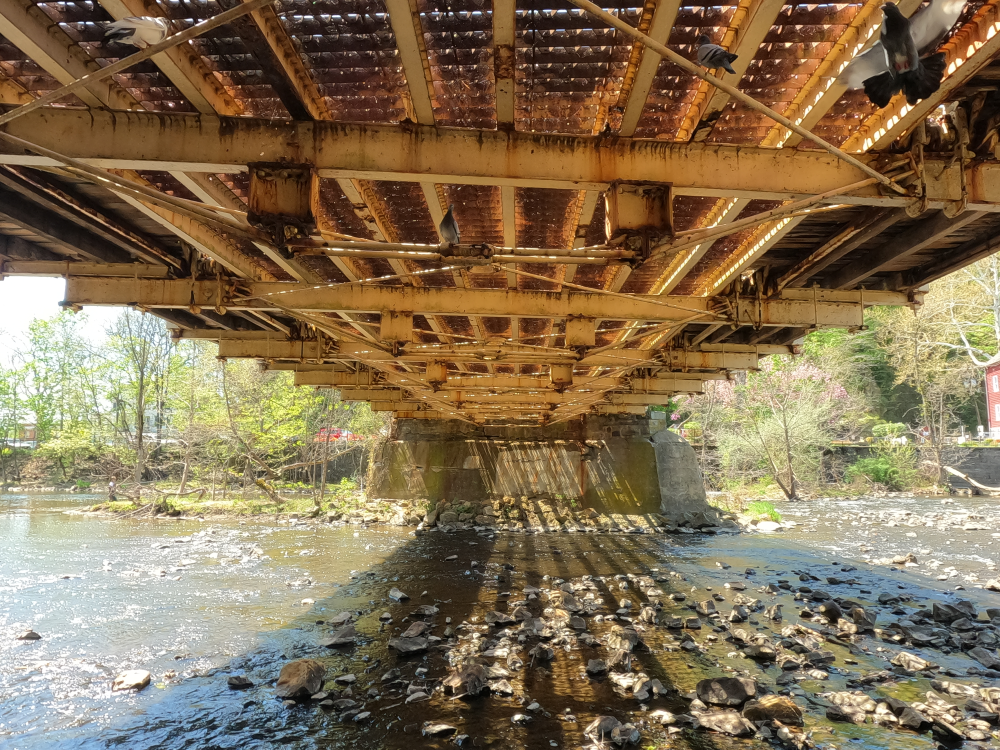
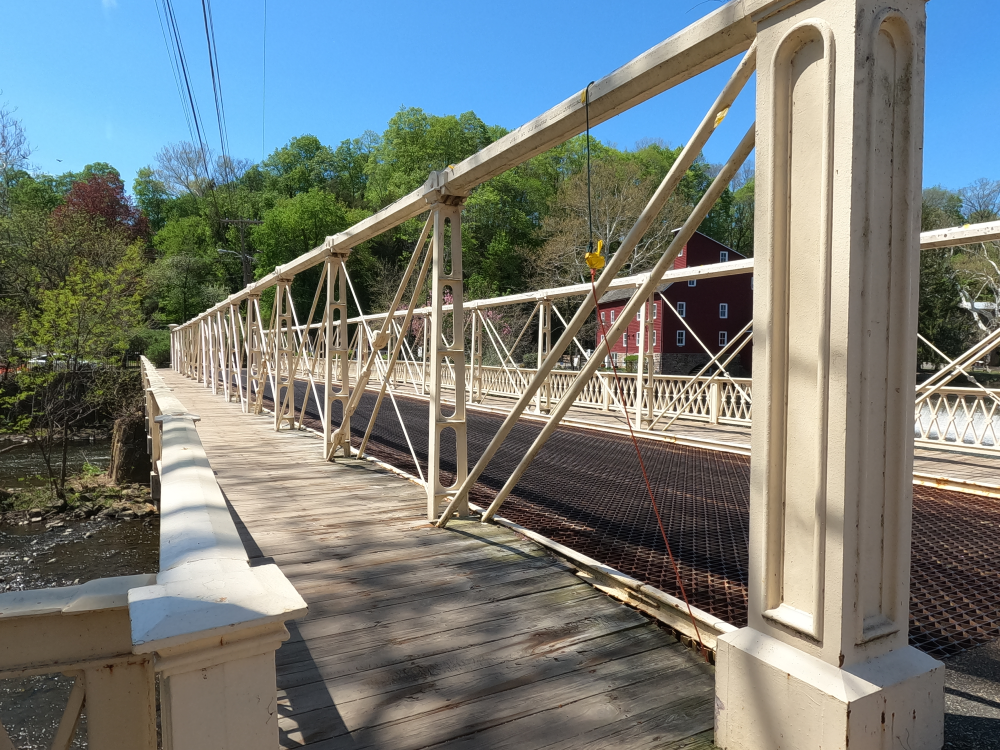
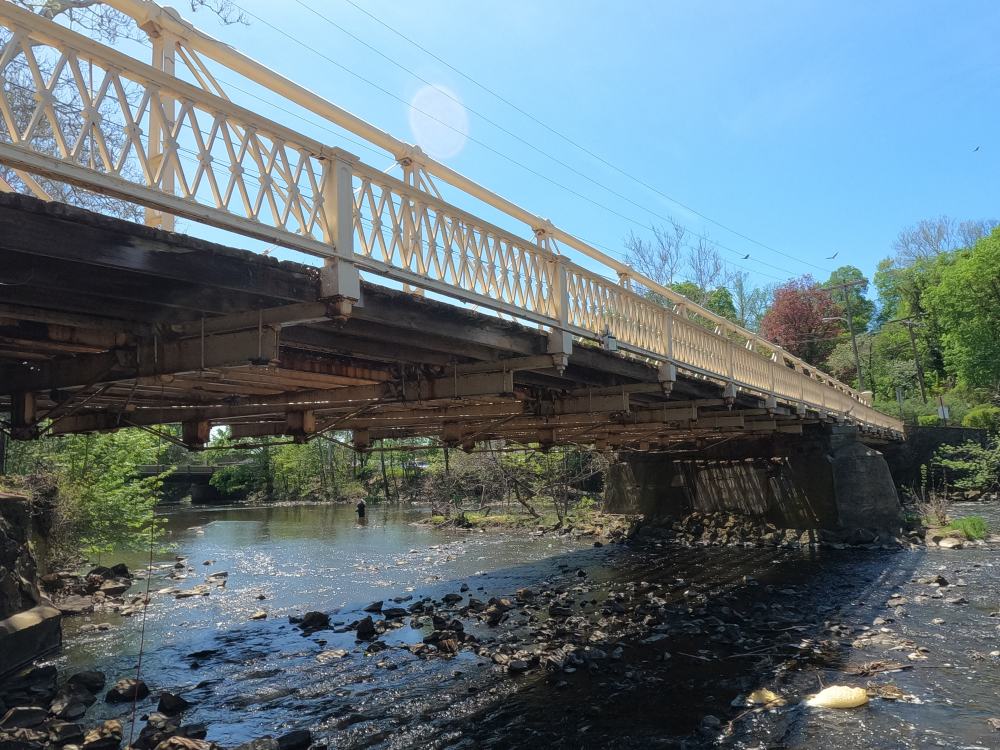
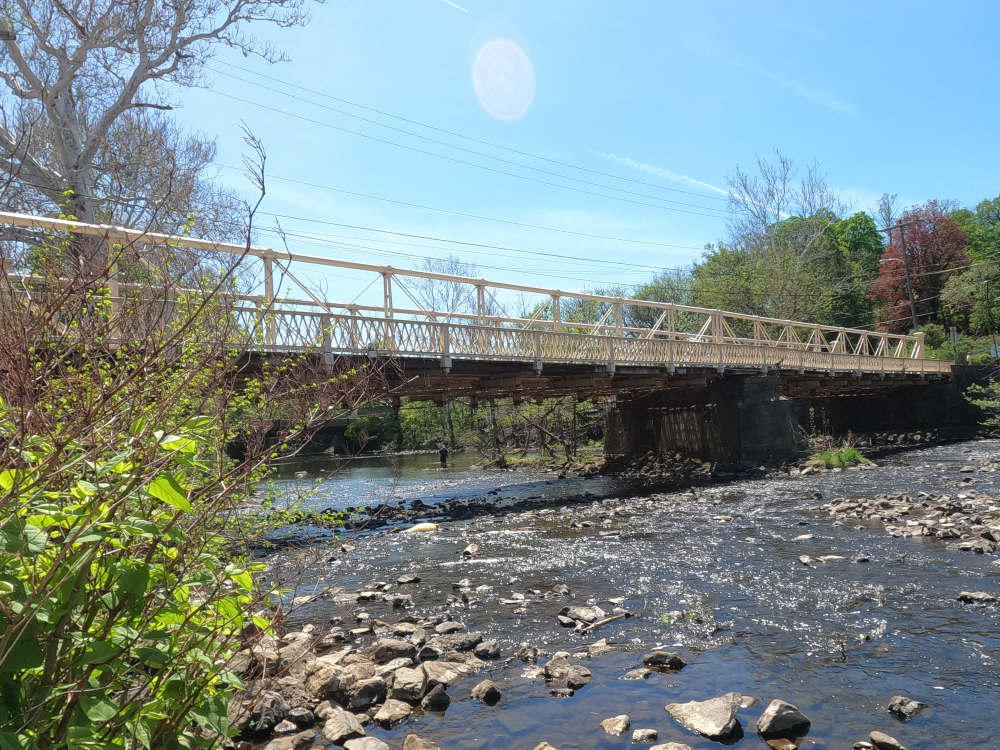
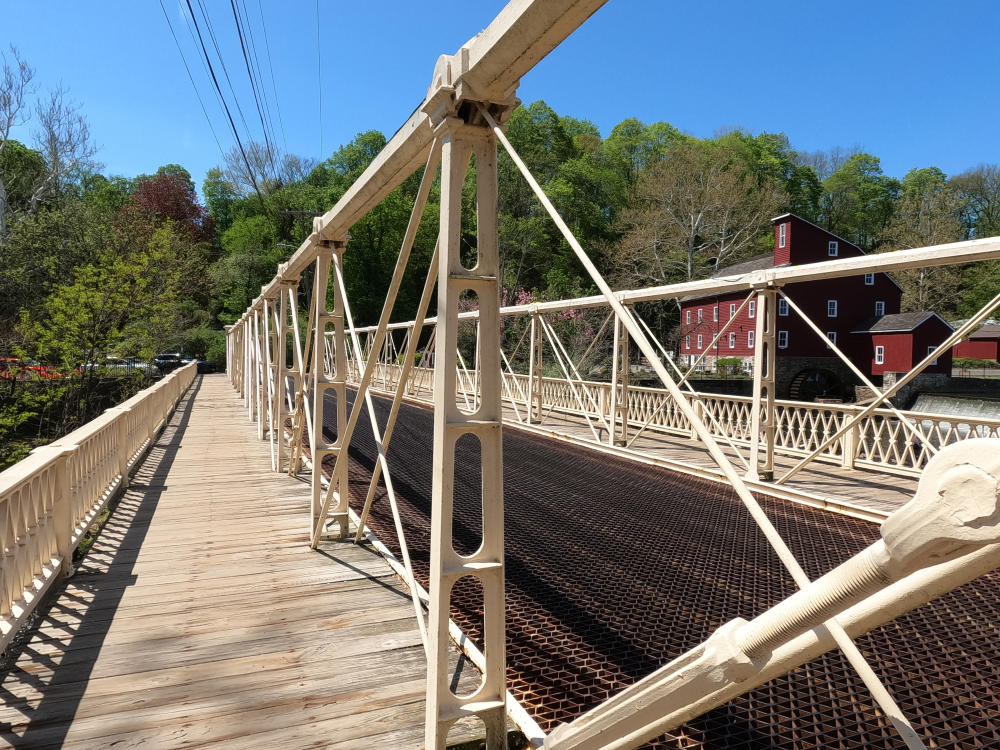
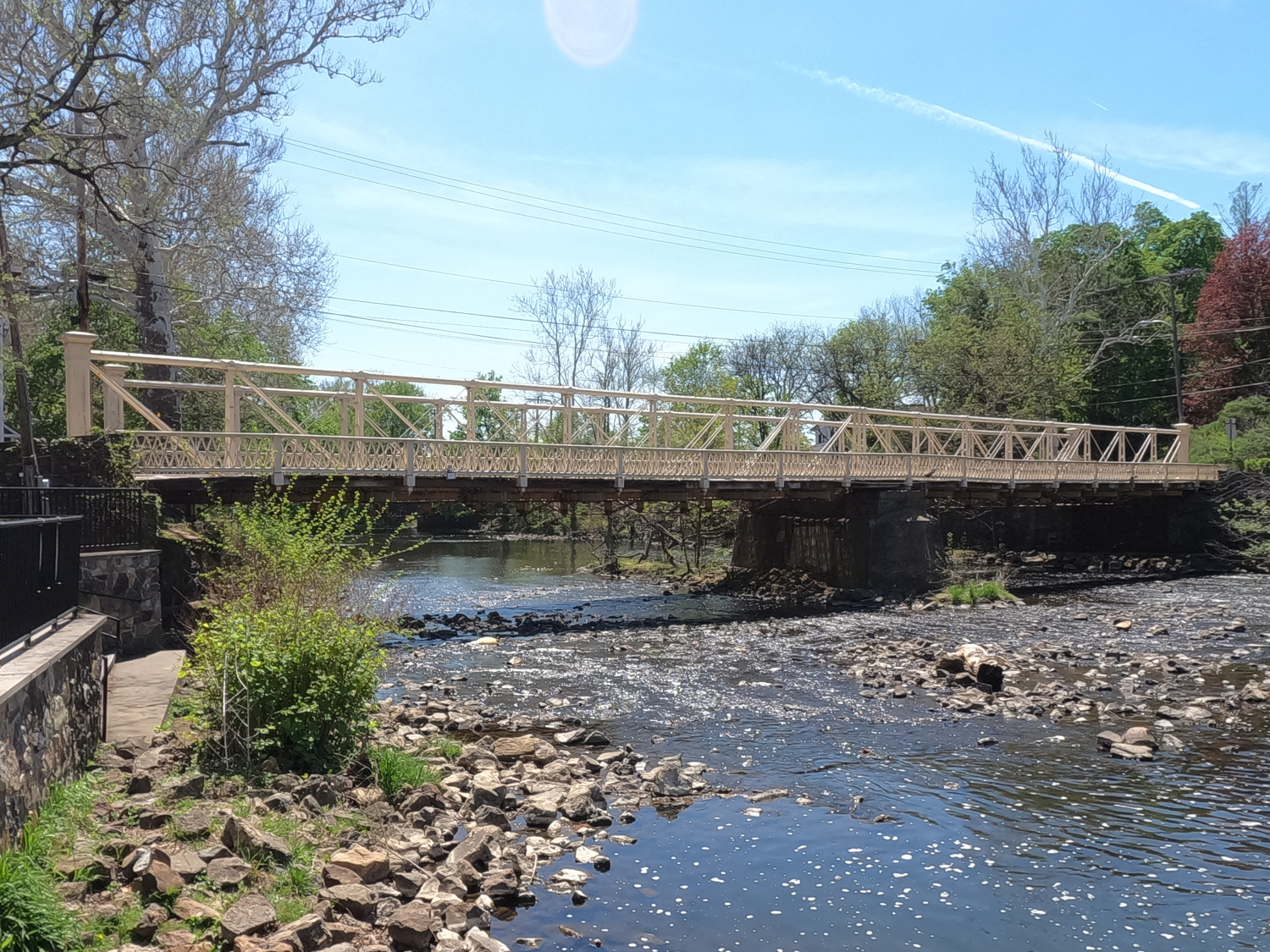
The Main Street Bridge is historic Pratt pony truss. It is one of the few early examples of iron Pratt truss bridges remaining in the United States and is among the oldest truss bridges in the country. There are two other similar bridges in New Jersey (the Glen Gardner Bridge and the New Hampton Bridge). However, this bridge is the longest of the three and is the only multi-span and only skewed bridge.
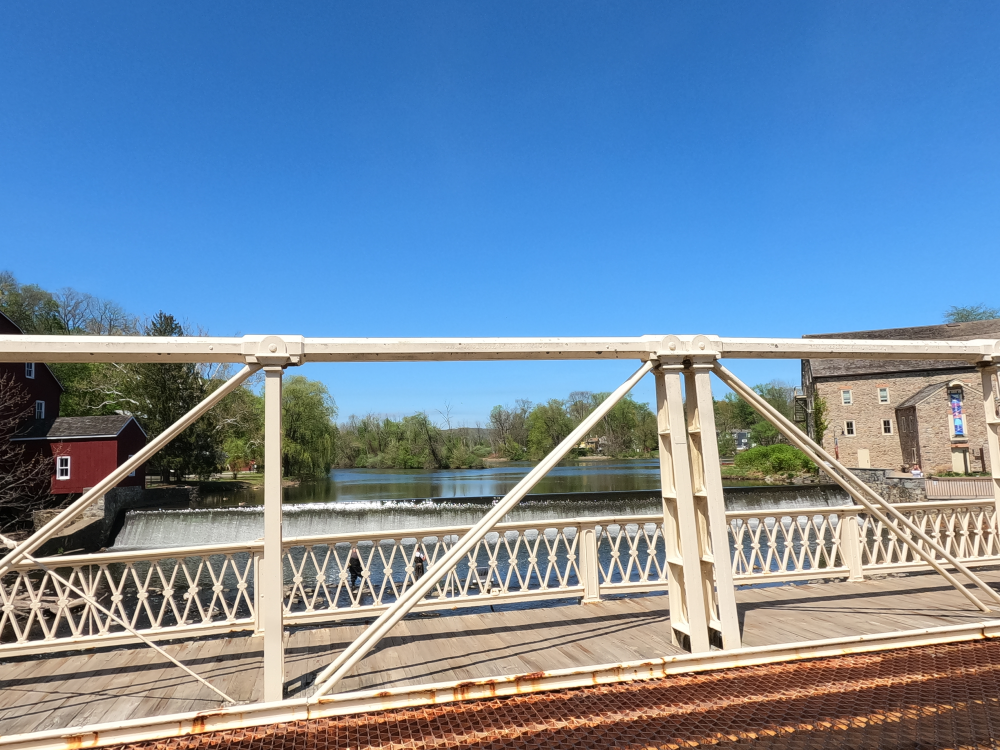
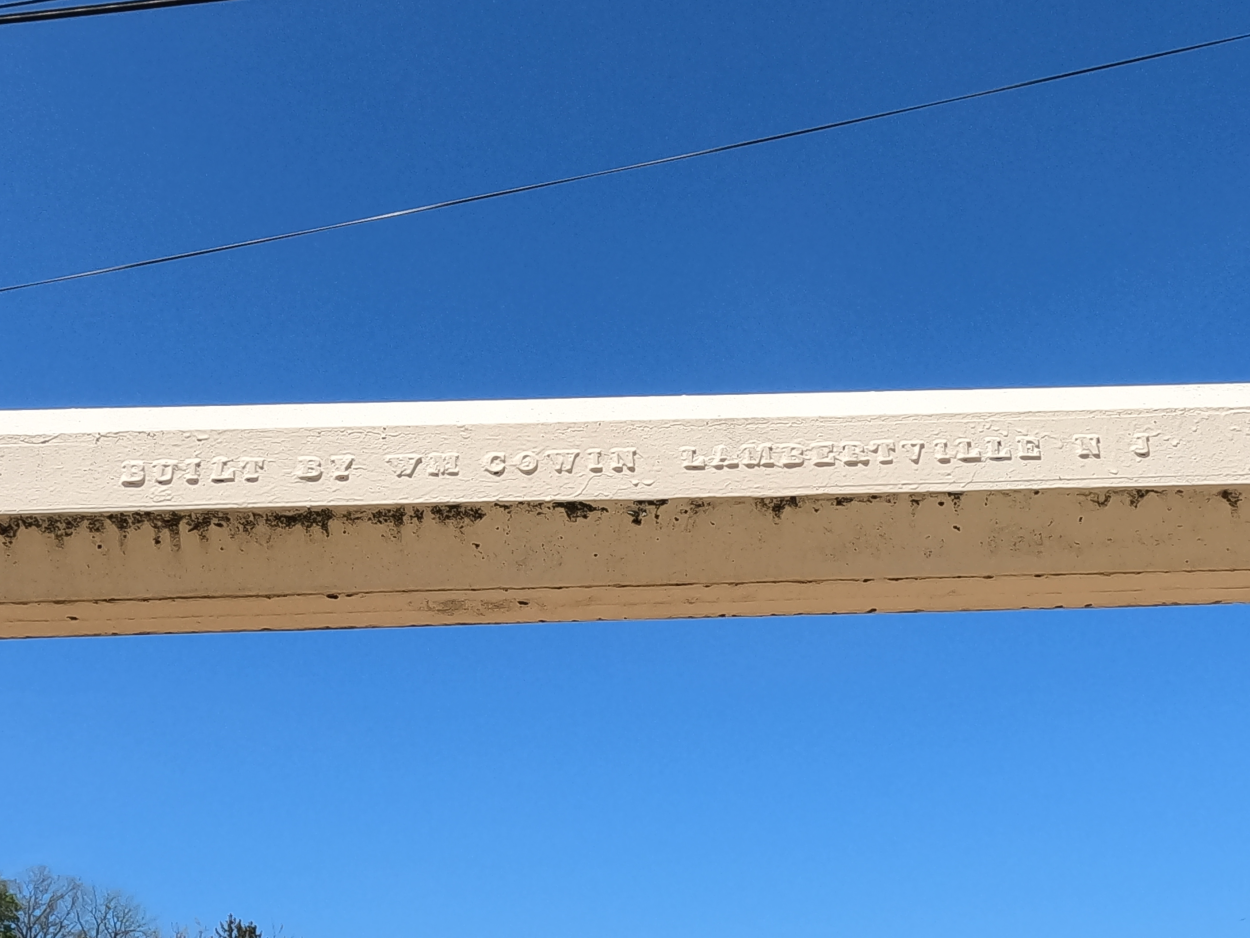
This bridge is also a rare example of a composite cast iron and wrought iron bridge. It utilizes cast iron for the compression members and chords and wrought iron for the tension members. This gives the bridge a complex appearance, but in reality, it is a simple pin-connected Pratt pony truss with vertical members. However, the detailing and design was done in a way to architecturally embellish the bridge. In fact, no additional decorations or embellishments were added apart from the bridge’s structural components. This was possible because the use of cast iron allowed the fabricator to shape the beams in any way they desired. This was unachievable with the wrought iron and steel beams that were used in later bridges. This is particularly evident on the top chord of the bridge, where the builder inscriptions were cast into the members instead of using a separate bridge plaque. The bridge also uses unique architectural embellishments such as square vertical iron end posts and hollow octagonal iron top tubes.
References