World War Memorial Bridge
NBI Information
Location
State: New Hampshire
County: Rockingham County
Feature Carried: US 1
Feature Crossed: Piscataqua River
Latitude, Longitude: 43.0796,-70.7526
Toll: On free road
Maintenance Responsibility: State Highway Agency
Structure Open, Posted, or Closed to Traffic: Open, no restriction
History
Year Built: 1921
Historical Significance: Bridge is eligible for the National Register of Historic Places.
Year Reconstructed: 2013
Picture Date: August 8, 2026
Geometry
Lanes on Structure: 2
Lanes under Structure: 0
Skew: 0 degrees
Number of Main Spans: 3
Main Structure Type: Movable - Lift
Main Structure Material: Steel
Number of Approach Spans: None
Approach Structure Type: None
Approach Structure Material: None
Condition
Inspection Date: September 2023
Deck Condition: Very Good
Superstructure Condition: Very Good
Substructure Condition: Very Good
Channel Condition: Satisfactory
Culvert: Not Applicable
NBI Year: 2025
Bridge Information
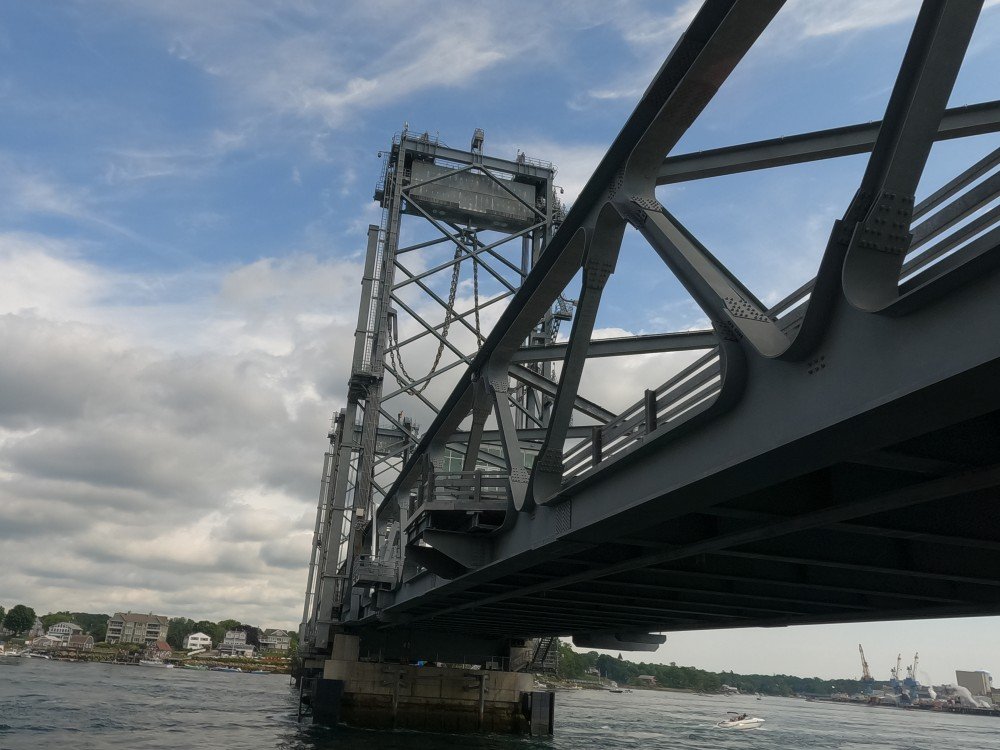
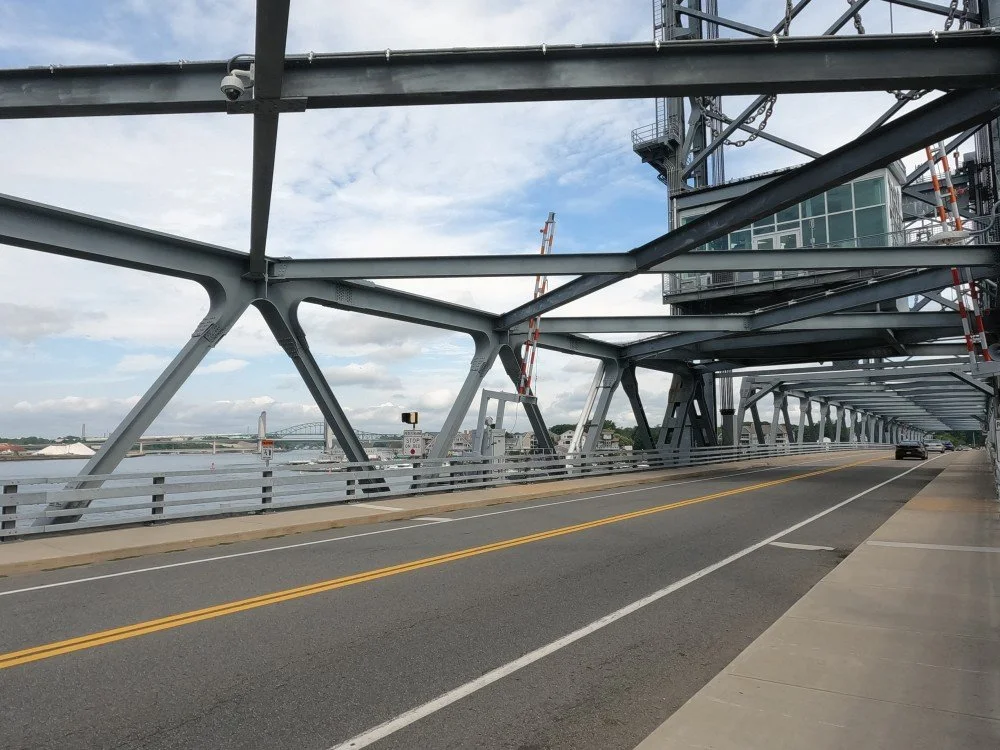
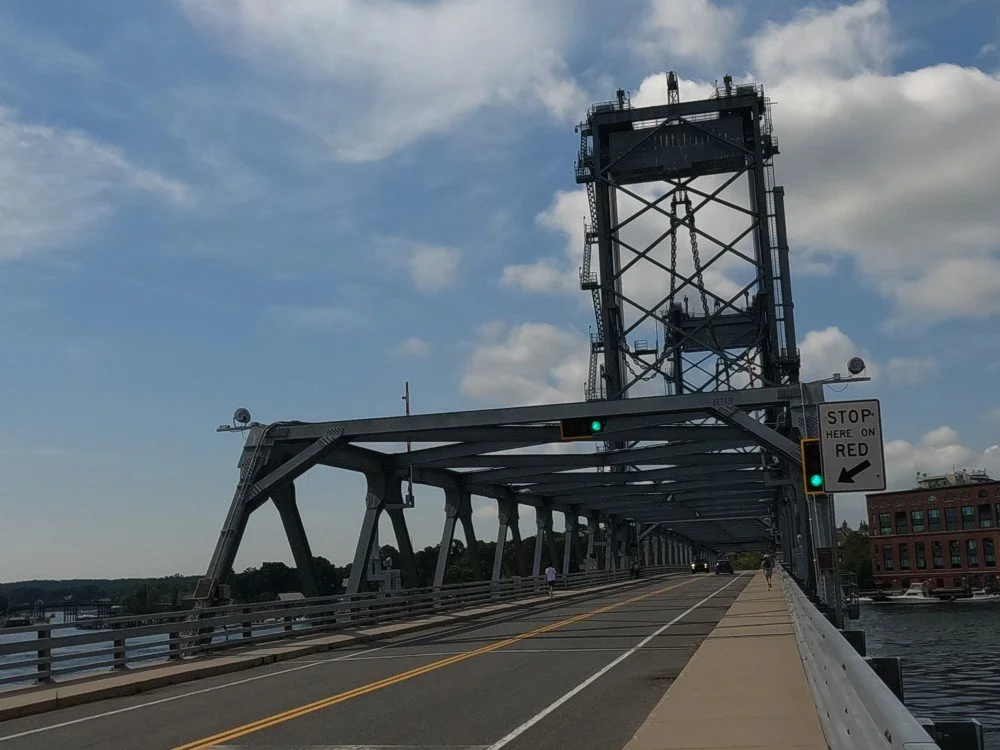
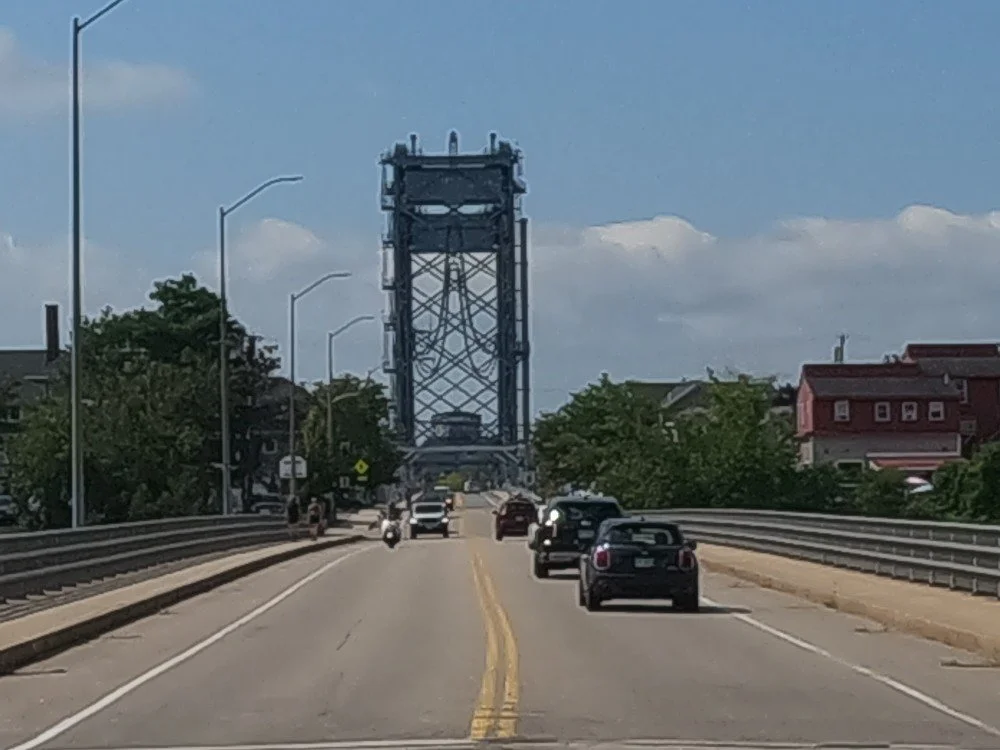
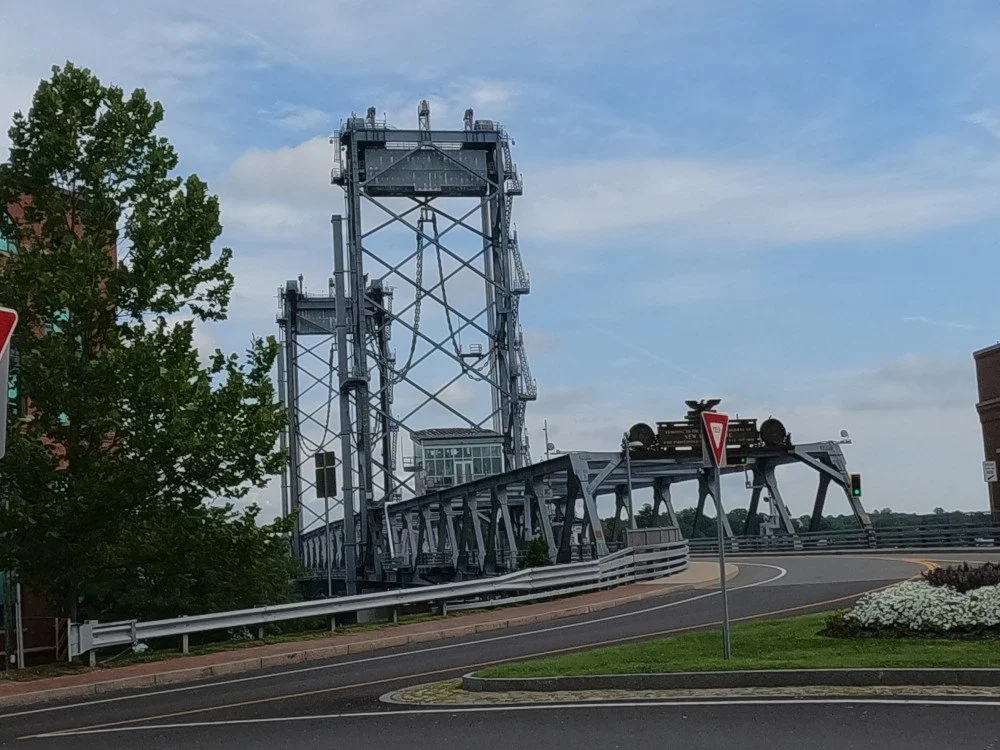
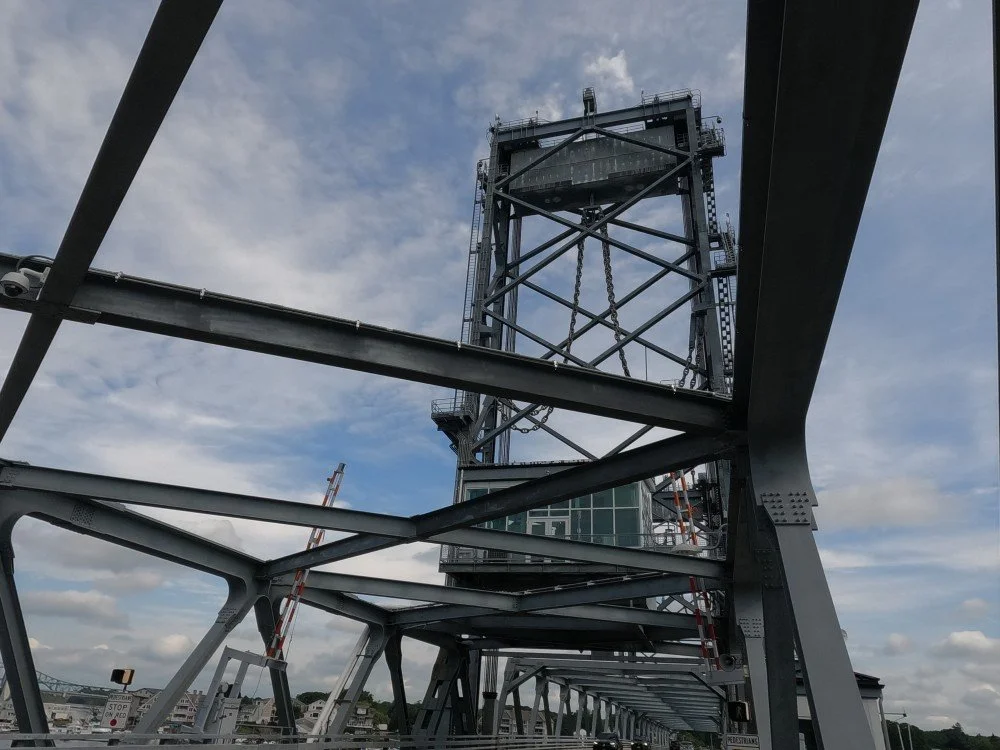
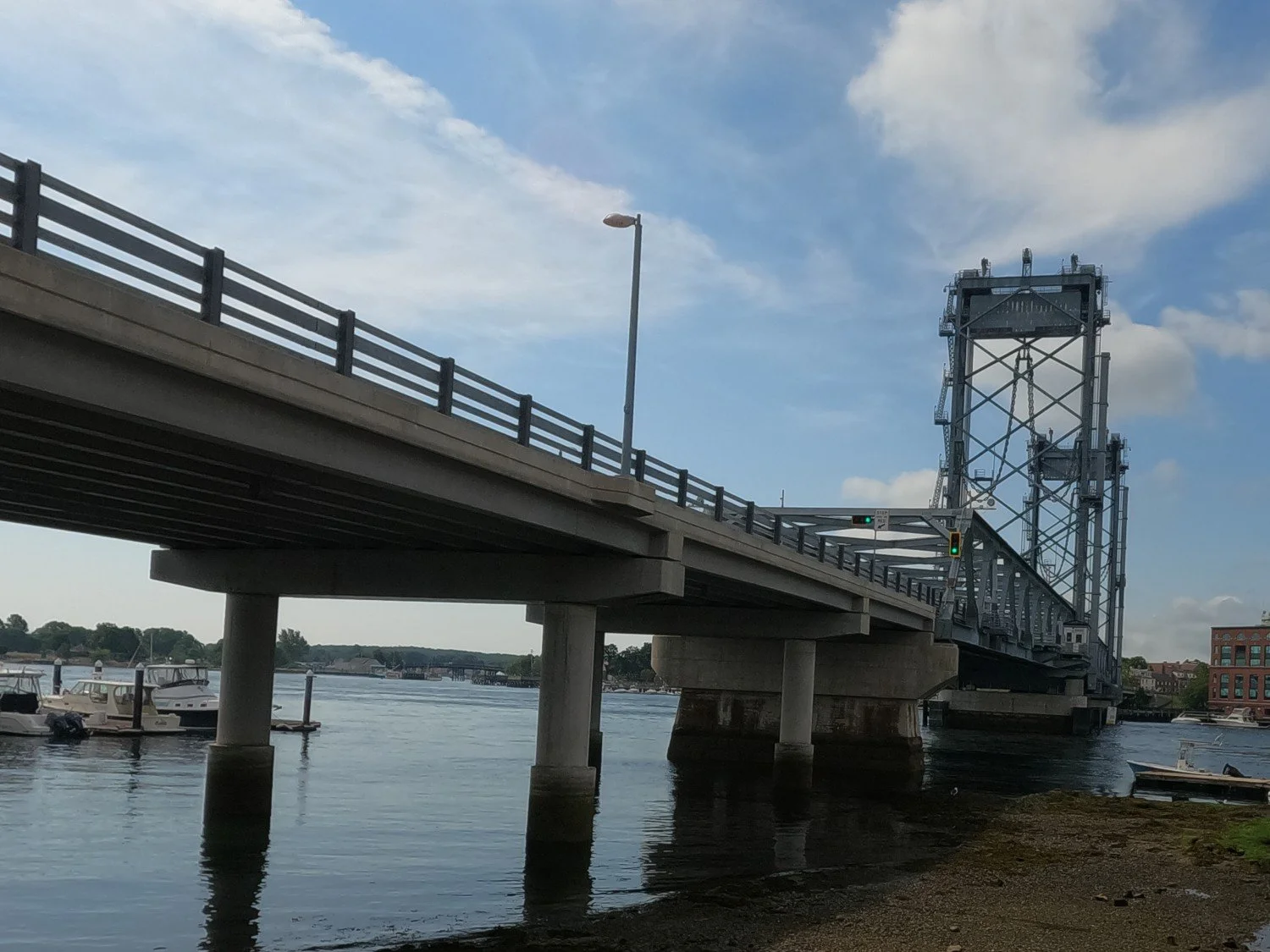
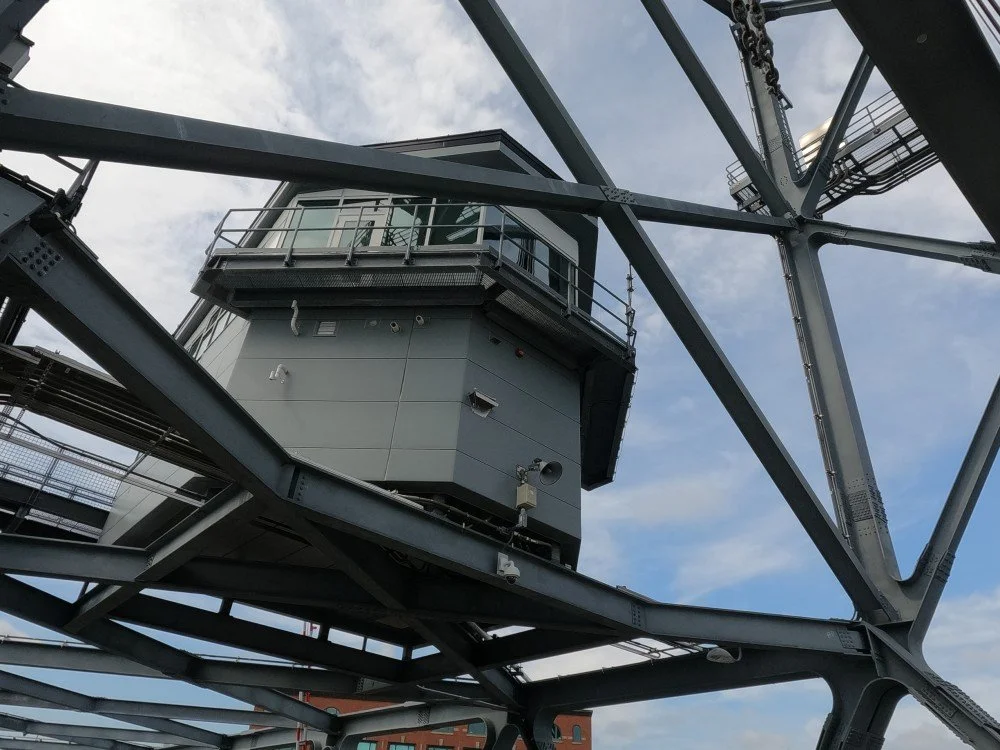
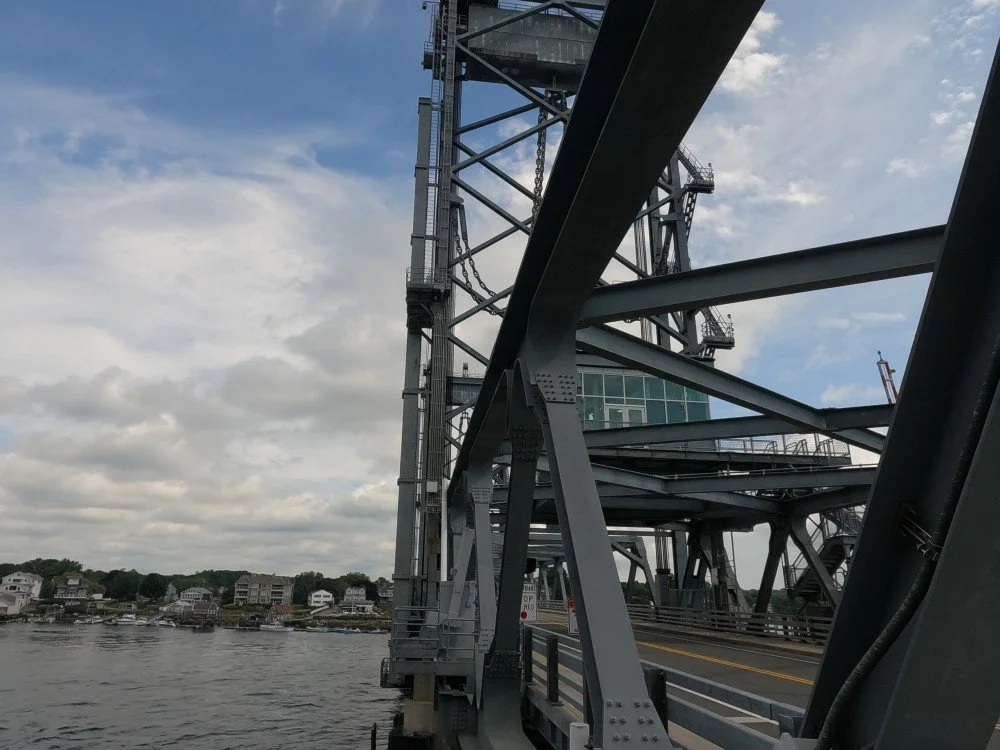
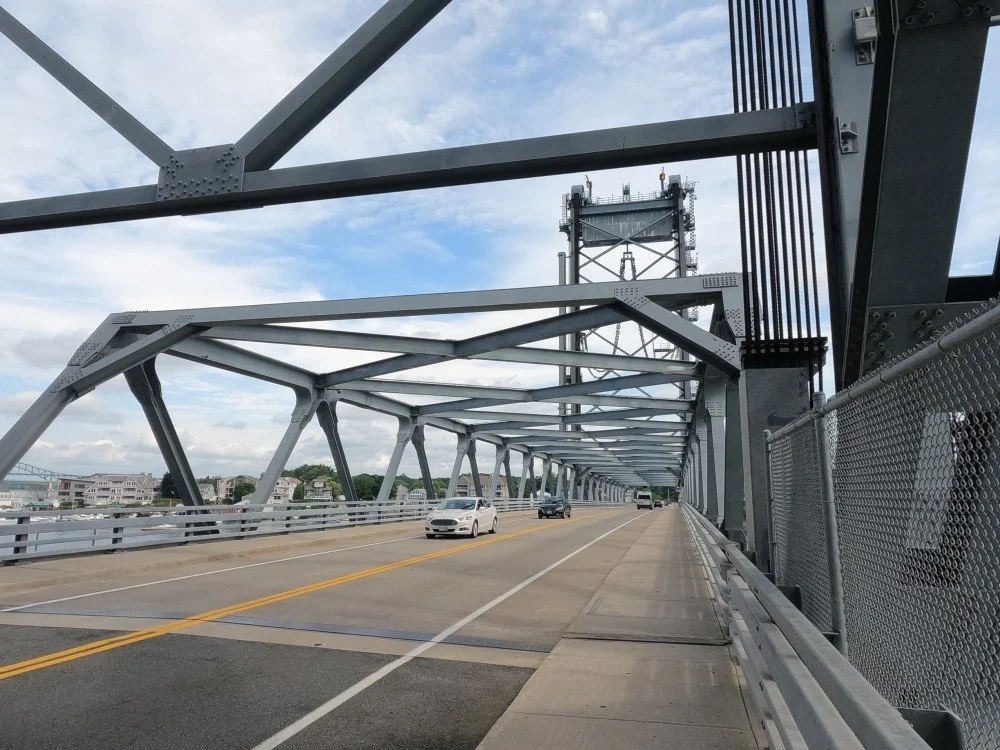
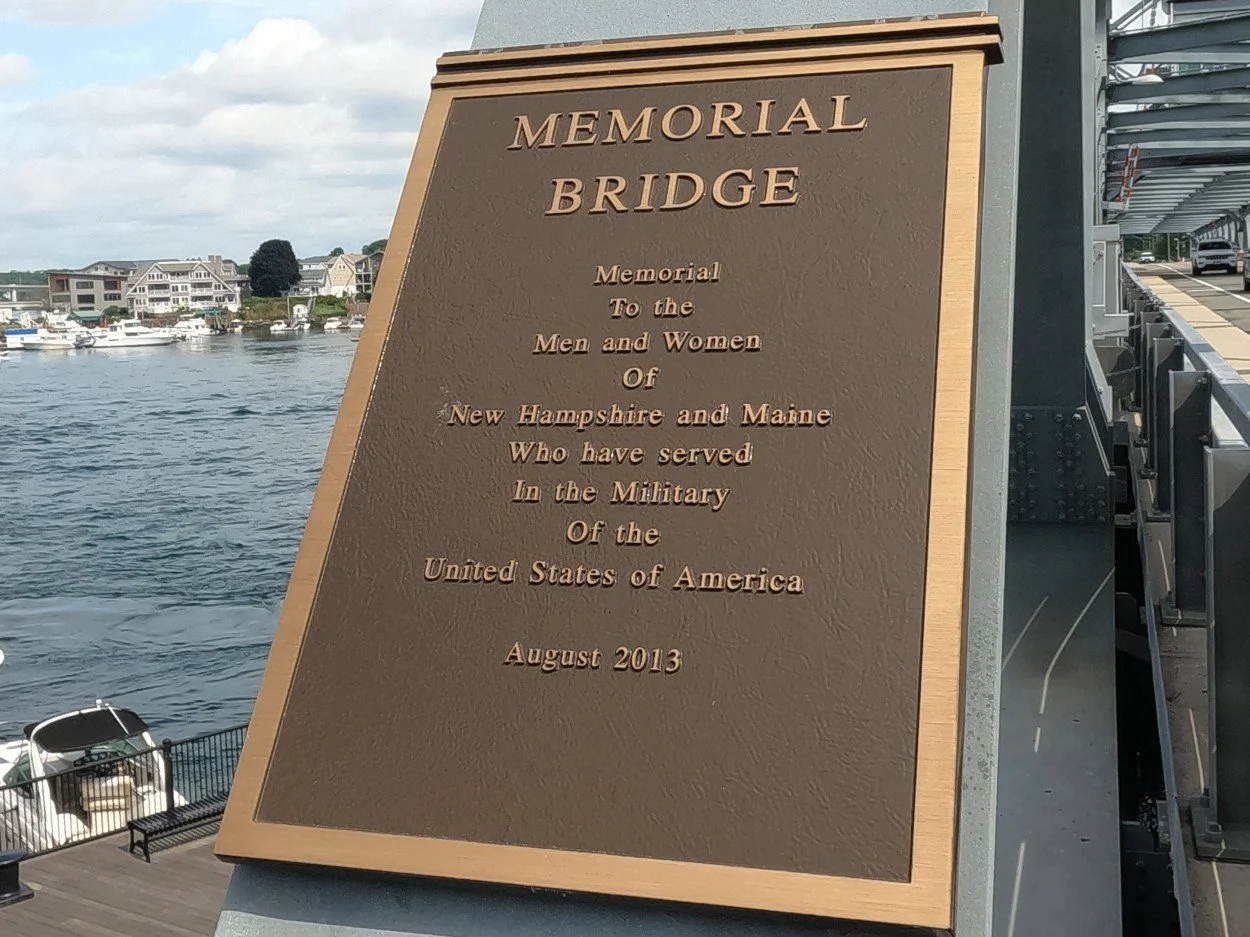
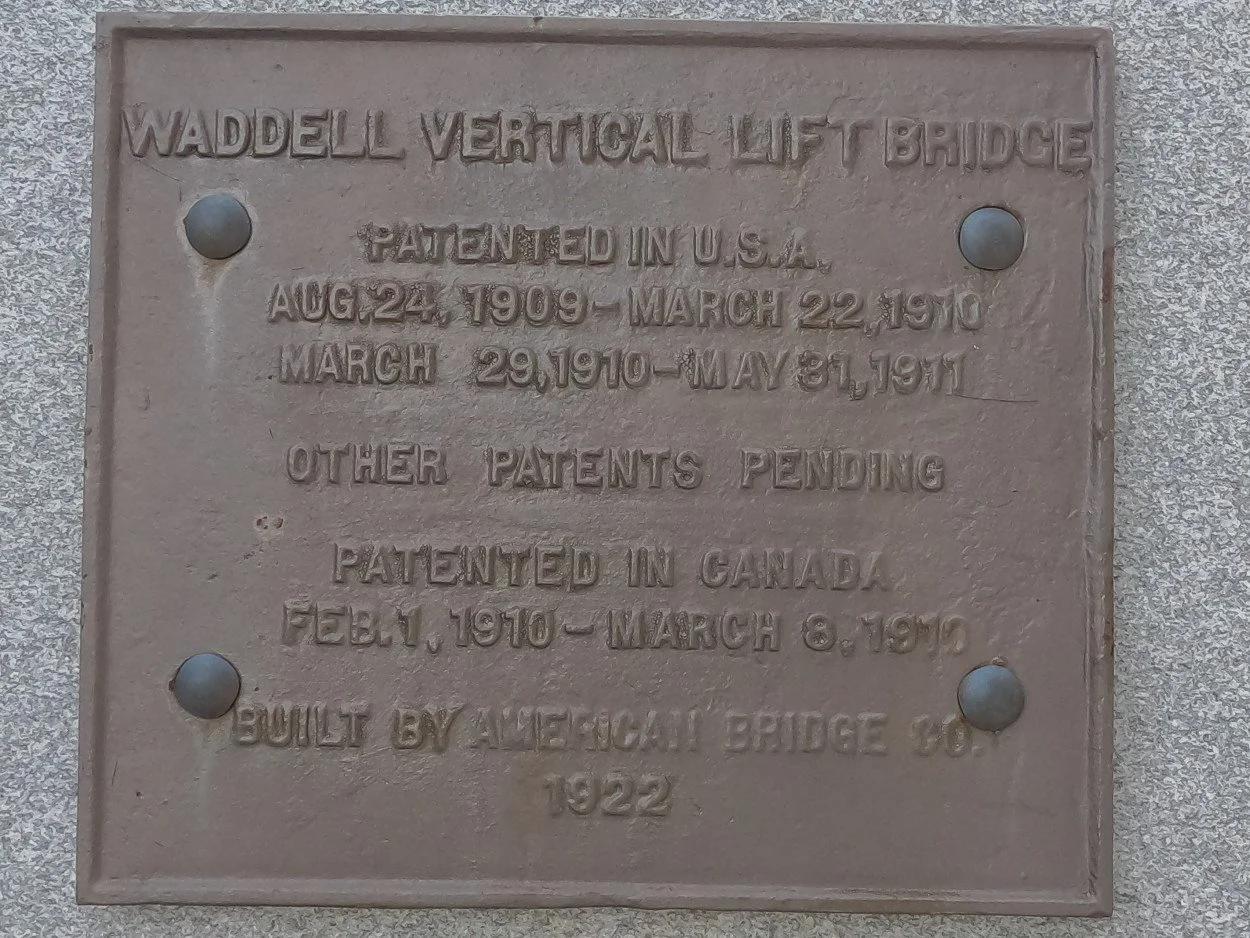
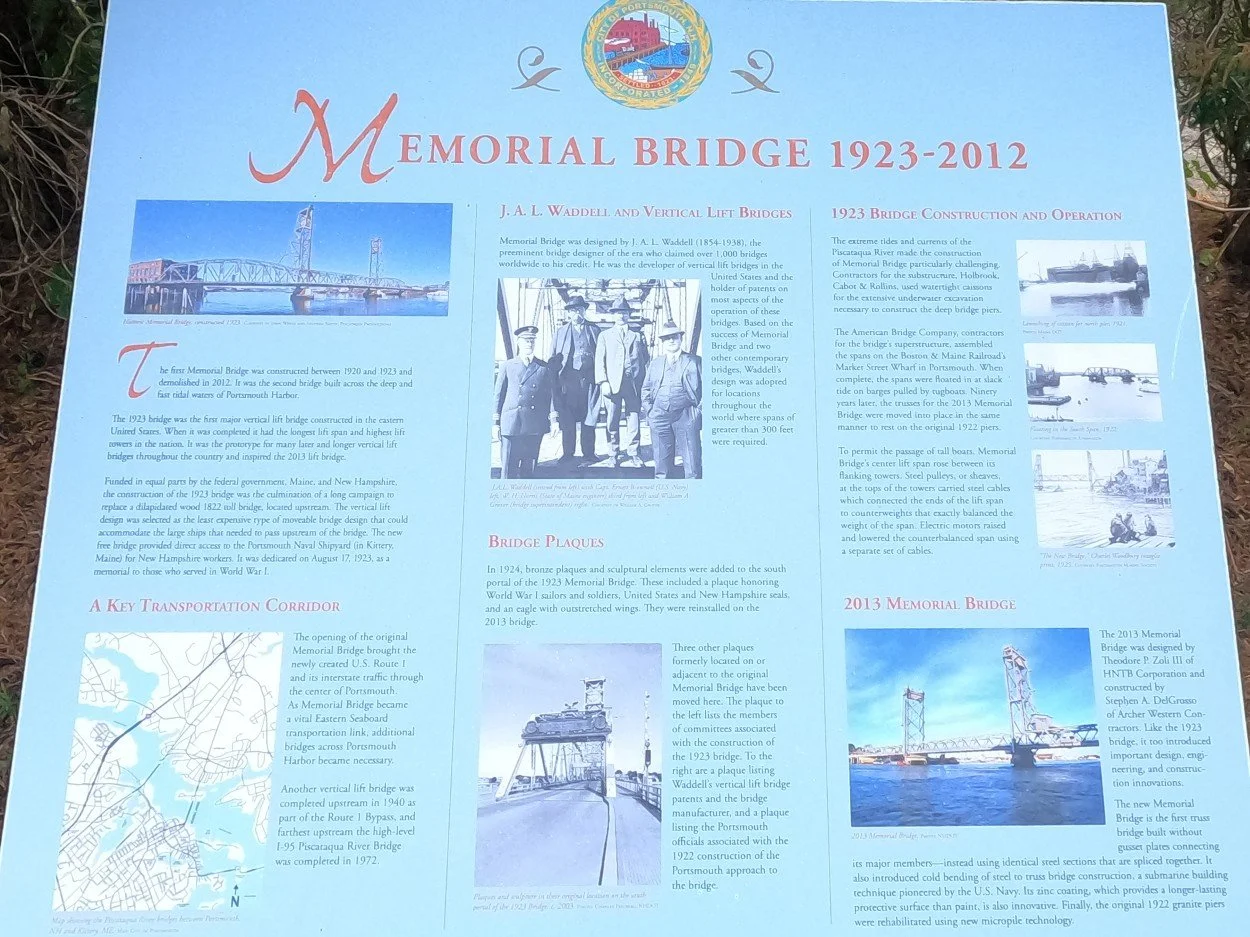
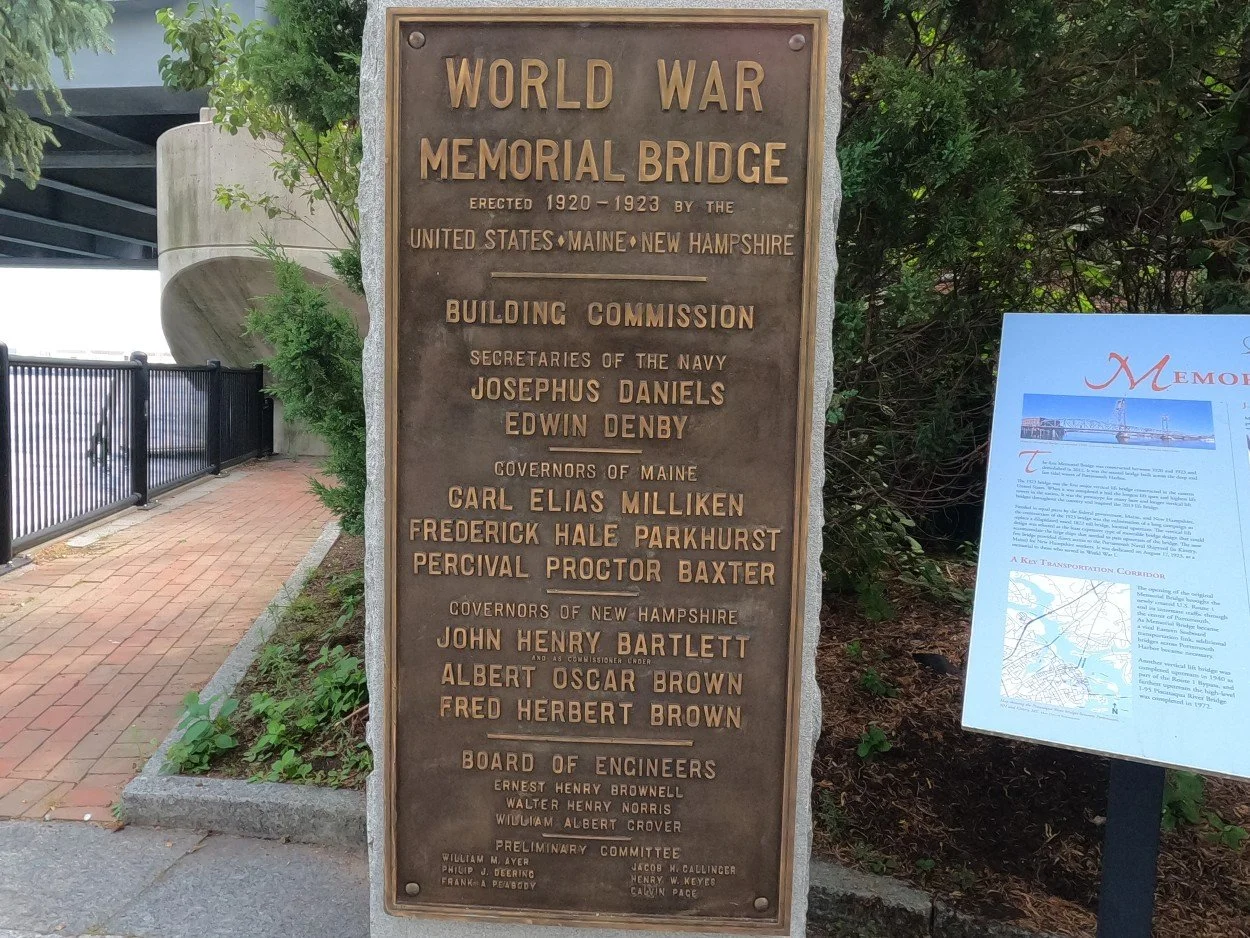
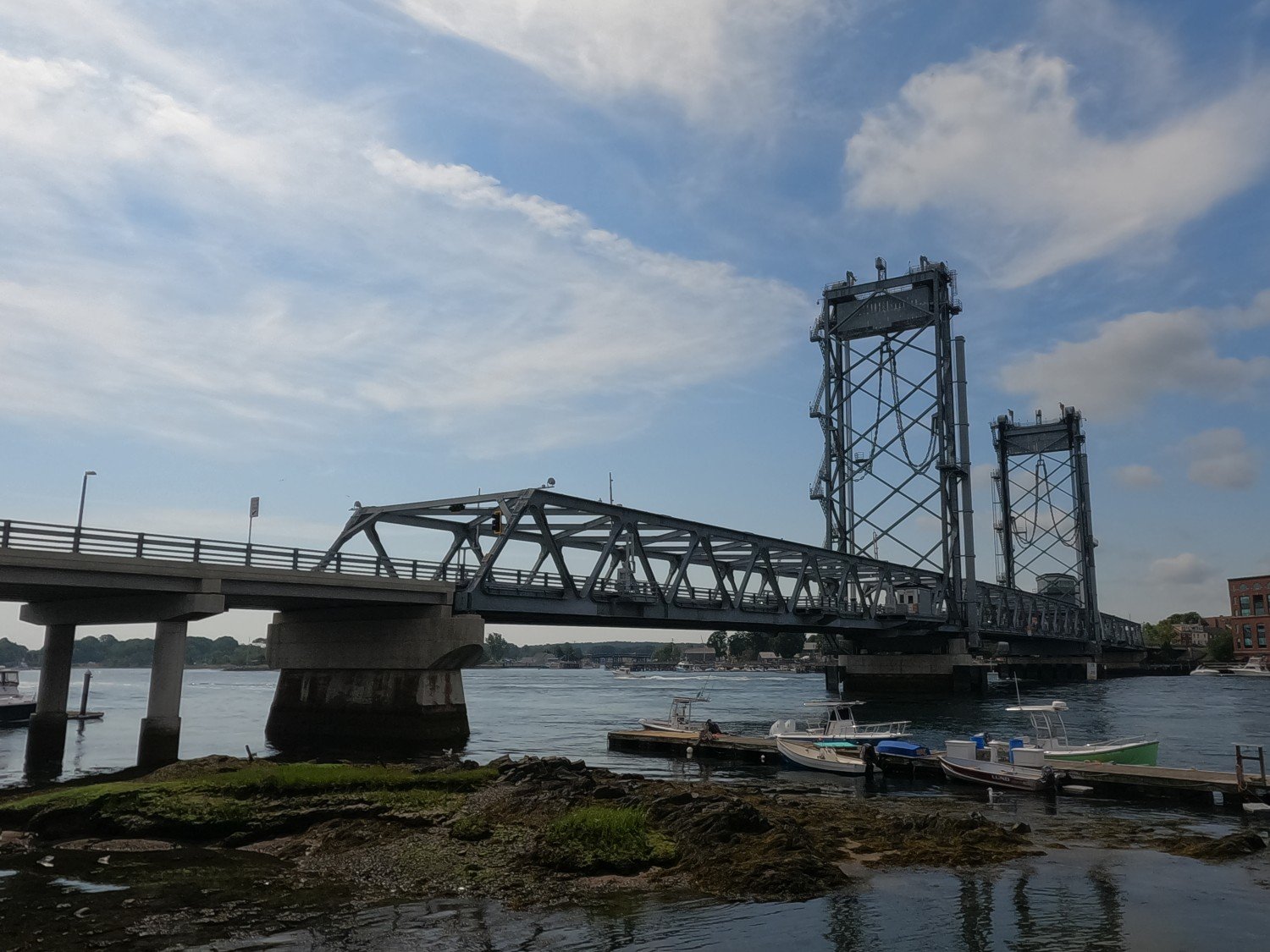
The World War Memorial Bridge, commonly referred to as the Memorial Bridge, is a vertical lift bridge over the Piscataqua River. It was built in 2013 and replaced a previous bridge of similar design. The name of the bridge itself is noteworthy, since it refers to the fact that the original bridge was built after World War I, but before World War II. Construction started on the original bridge in 1920, and the bridge opened in 1923, making this bridge an early example of a vertical lift bridge. The lift span was a Warren through truss, and the approach spans were polygonal Warren trusses. The bridge required numerous repairs over its life, with poor safety ratings and structurally deficient classifications beginning in 1994. Over the following years, repairs were made, but the weight limit continued to decrease. It was permanently closed to vehicular traffic on July 27, 2011, when the inspection report said there were "too many problems in too many places". It was further closed to pedestrians and cyclists on January 9, 2012, and the center span was demolished on February 8, 2012.
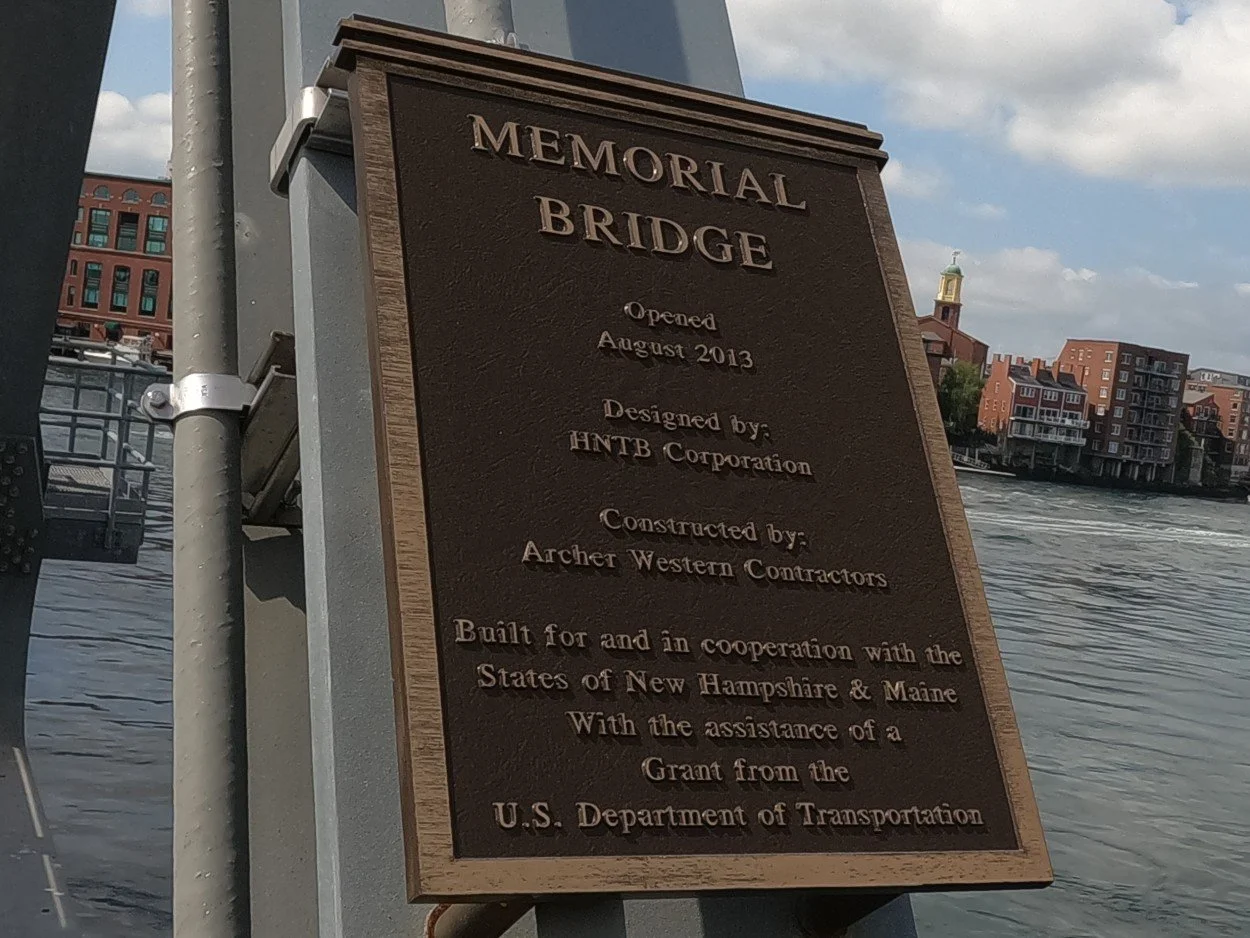
Plans for a rehabilitation project were underway, and the contract was bid for construction in 2009. It was anticipated that the project would take approximately 2 years. However, the project was stalled when the winning bid for the contract came in $15 million over the intended budget. In early 2010, it was decided that the bridge would be replaced instead. The replacement bridge was designed to be similar to the original structure, although it lost the elegant curves on the towers and trusses. The new bridge reused the original piers, so some sources call it a bridge rehabilitation instead of a replacement. The new bridge was opened on August 8, 2013.
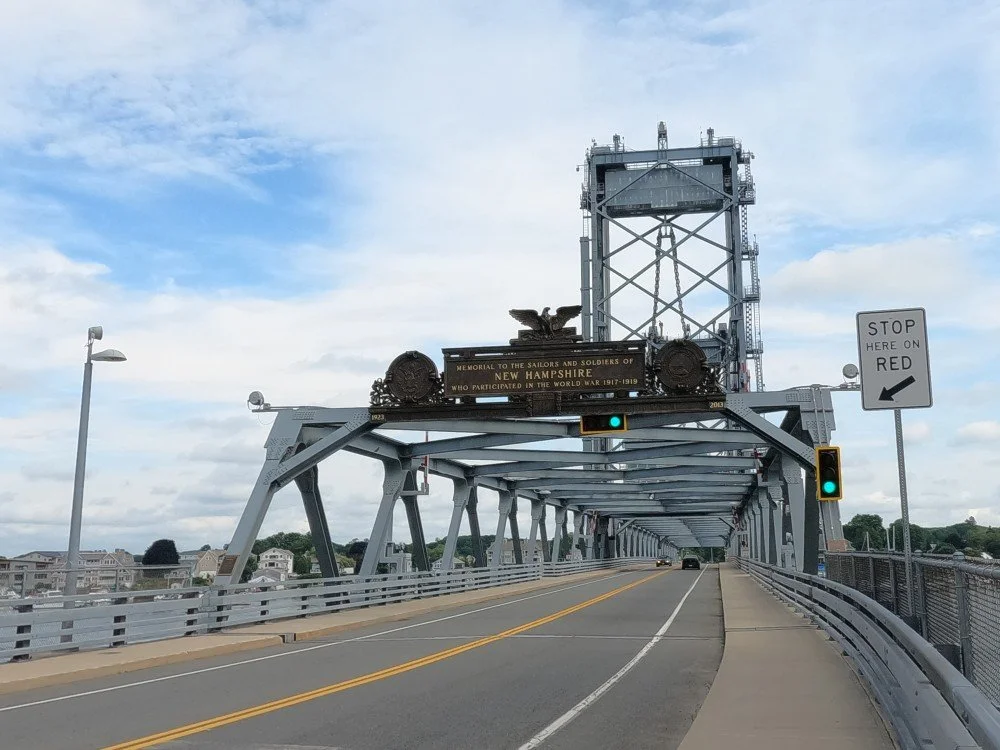
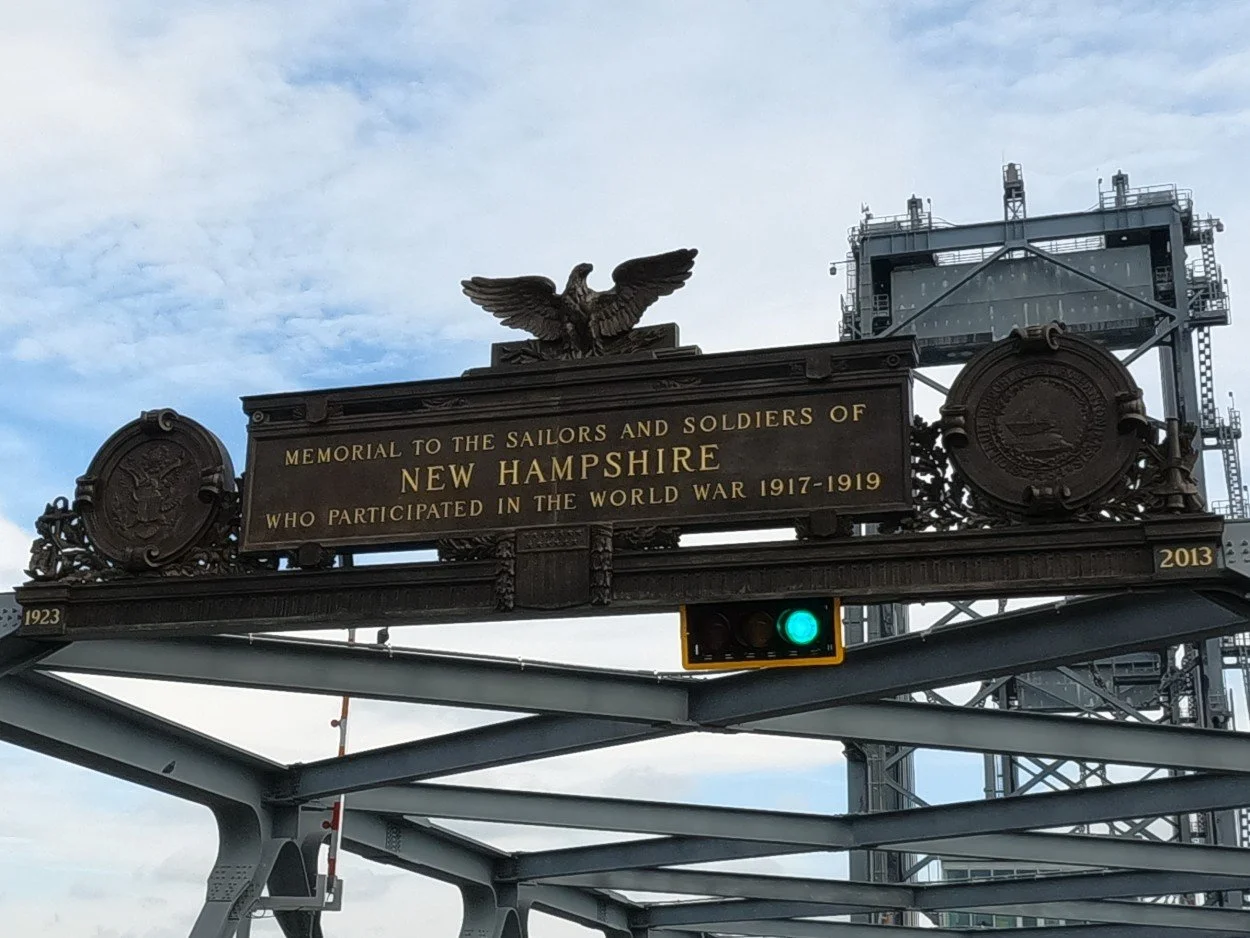
The original bridge had an extremely large and ornate sculpture mounted on the truss portal bracing. This sculpture was saved and was mounted on the new bridge. It is one of the most ornate decorations found on any bridge in the United States.
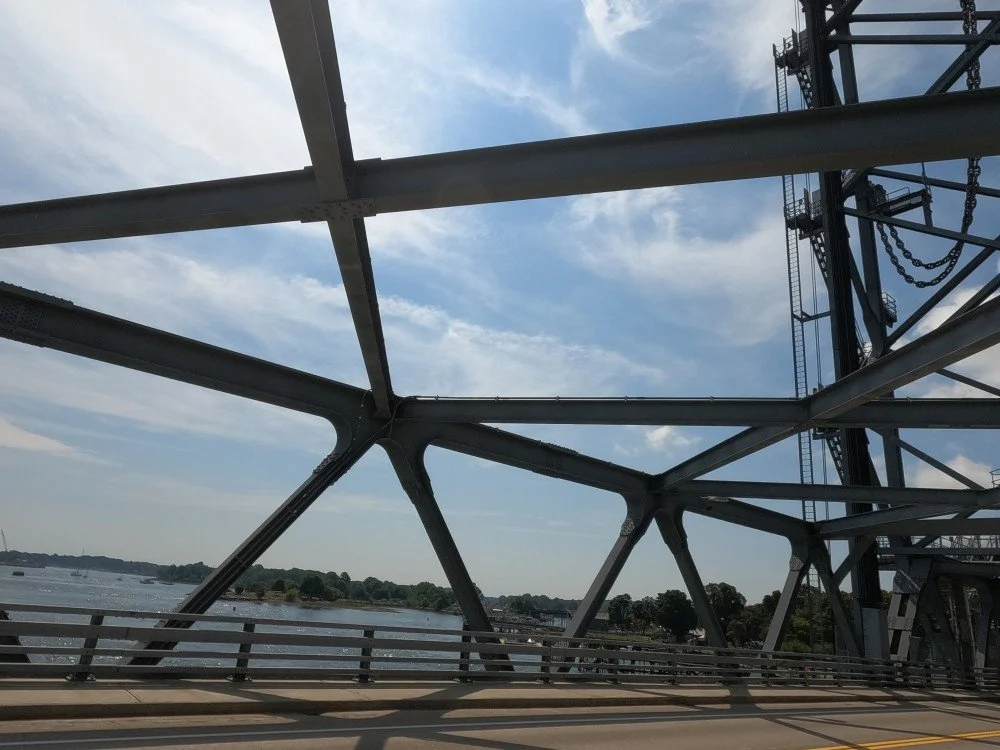
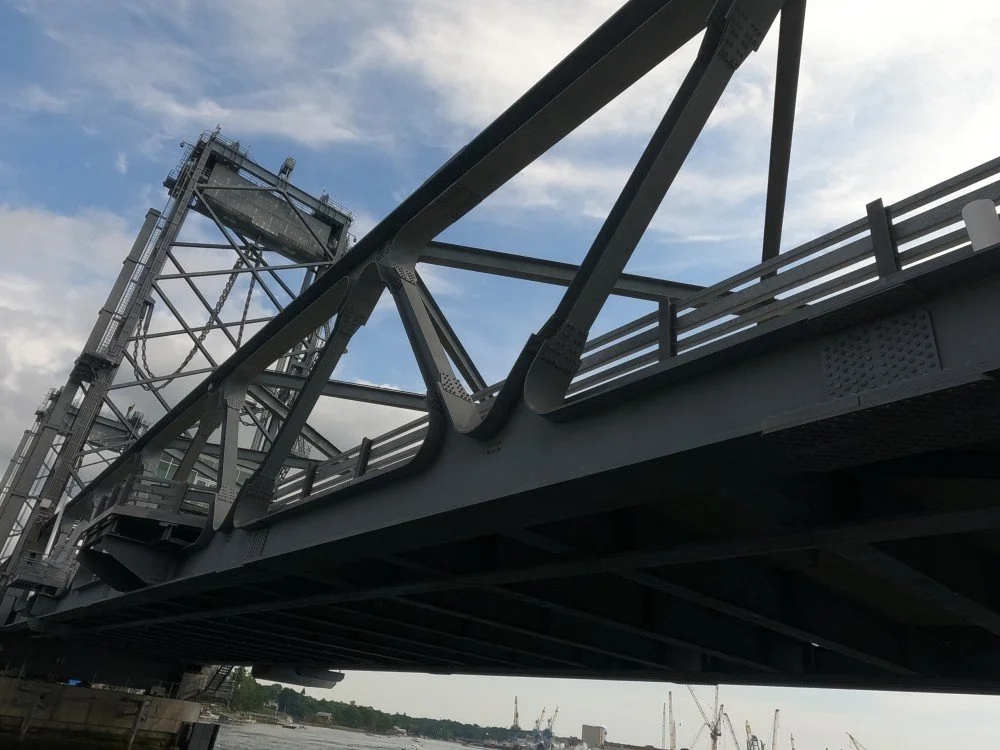
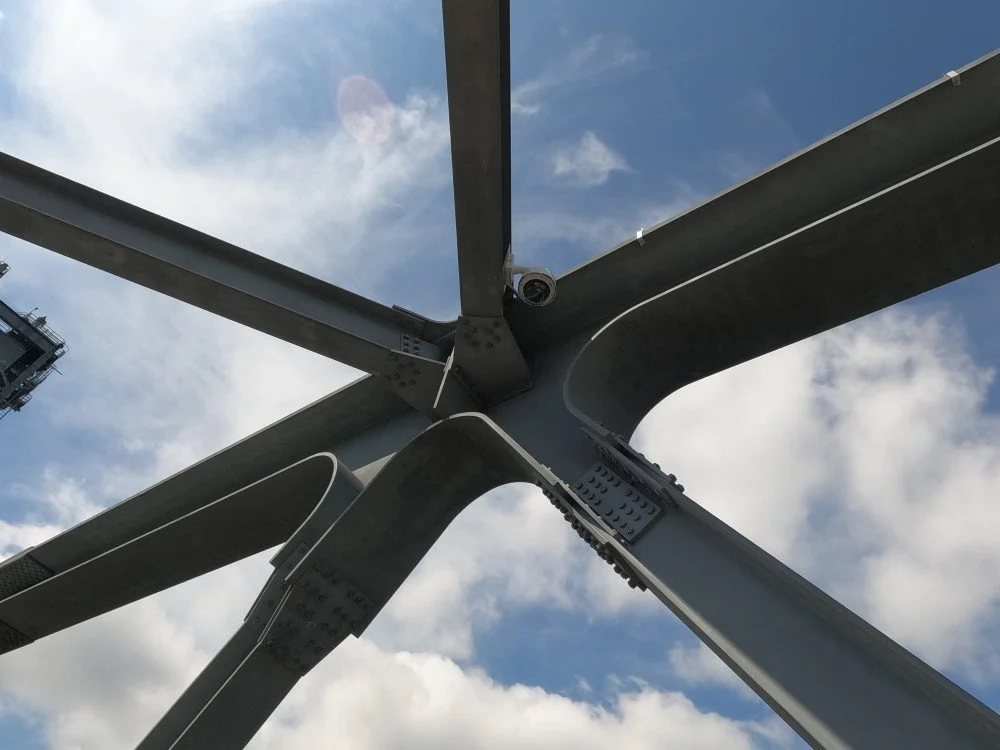
This bridge is the first gusset-less truss bridge in the world. Gusset plates are typically steel plates, which the truss members are riveted or bolted to. Properly designed gusset plates have been used on countless structures and have proven to be safe and reliable. However, improperly designed gusset plates led to the famous collapse of the I-35W Bridge in Minneapolis, MN in 2007. In addition, gusset plates are typically the first element to corrode and deteriorate on truss bridges. They can be tough to inspect and are tough to replace. This has led to a desire to reduce or eliminate gusset plates. The Memorial Bridge was designed using splice plates instead of gusset plates, which are easier to inspect and replace. The top and bottom cords were fabricated with bent plates and curved webs, and the bridge was fit together like a puzzle.
In response to the vessel strike and collapse of the Francis Scott Key Bridge Collapse in 2024, the National Transportation Safety Board(NTSB) published a report identifying other bridges needing risk assessment with regards to a possible vessel strike. This report was published in March of2025, and identified 68 bridges, including the Memorial Bridge. At this time, the New Hampshire DOT has not published any plans to retrofit the bridge.
References