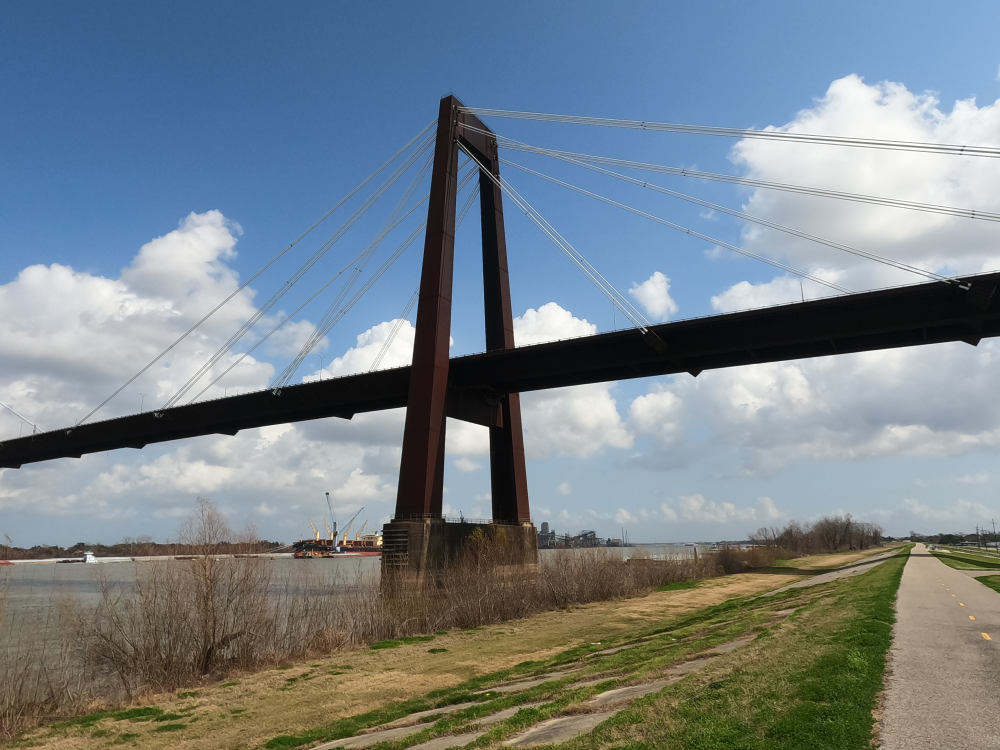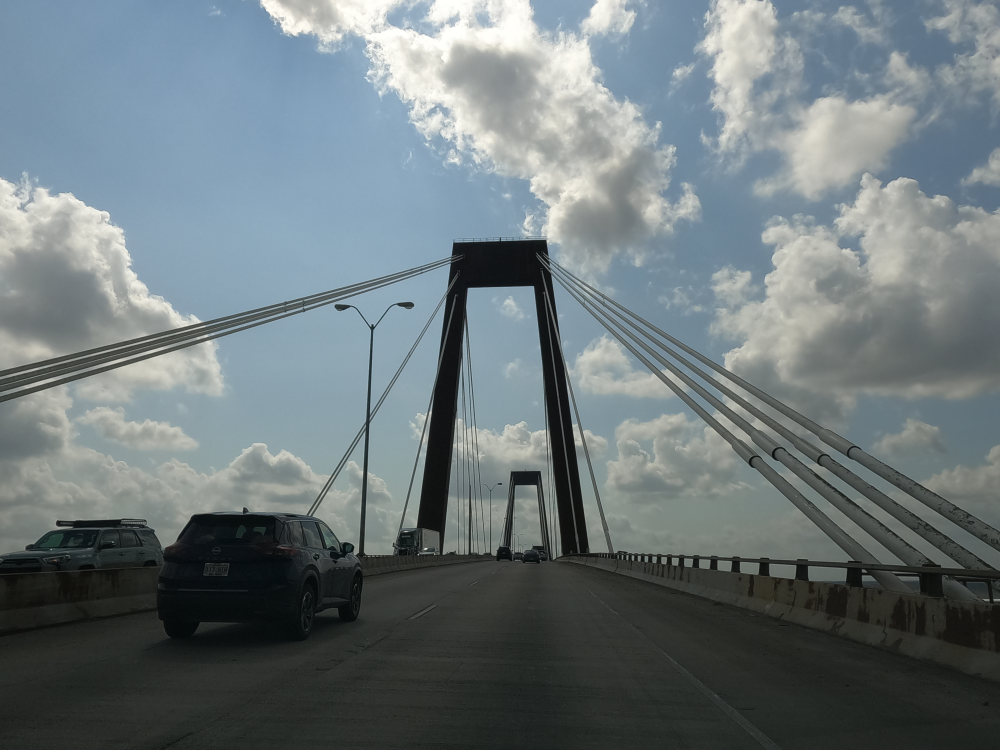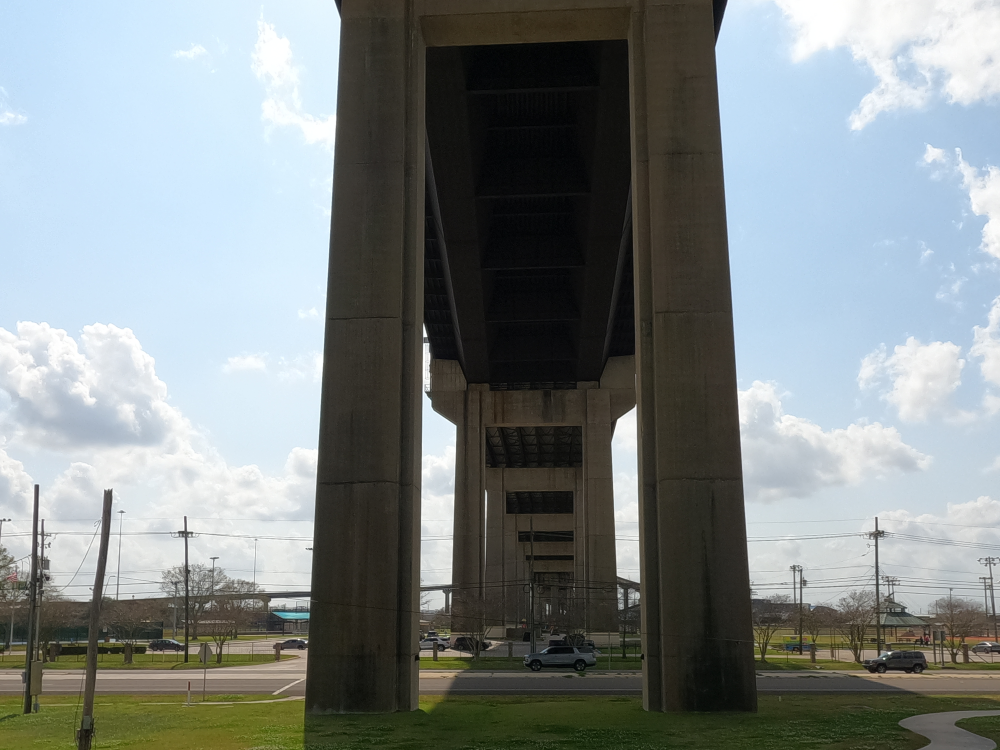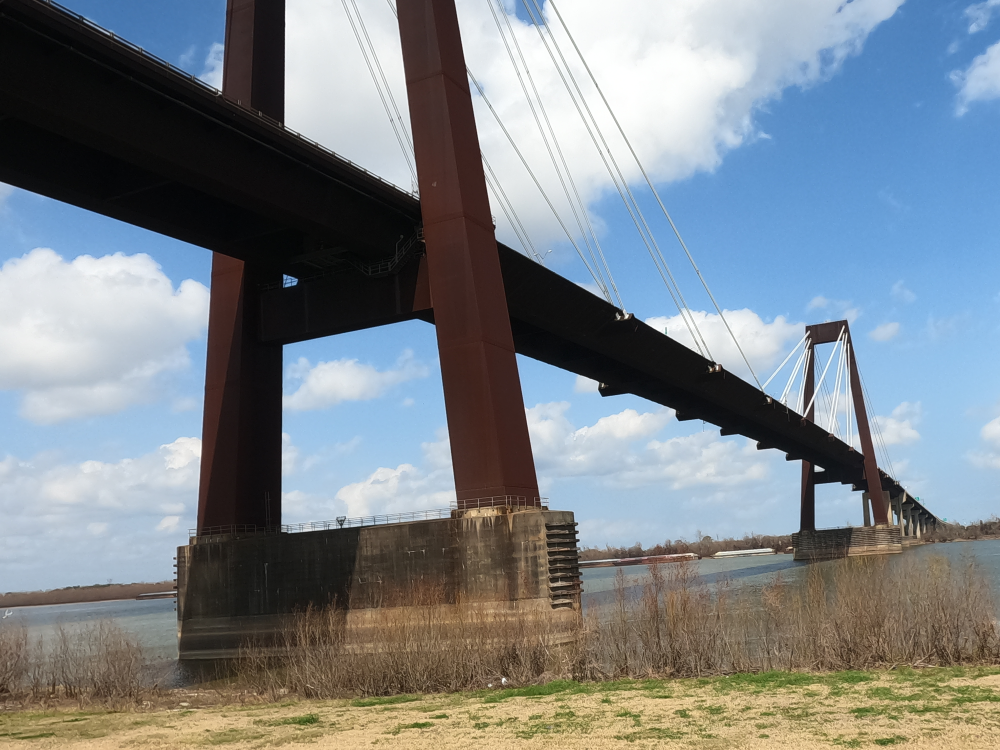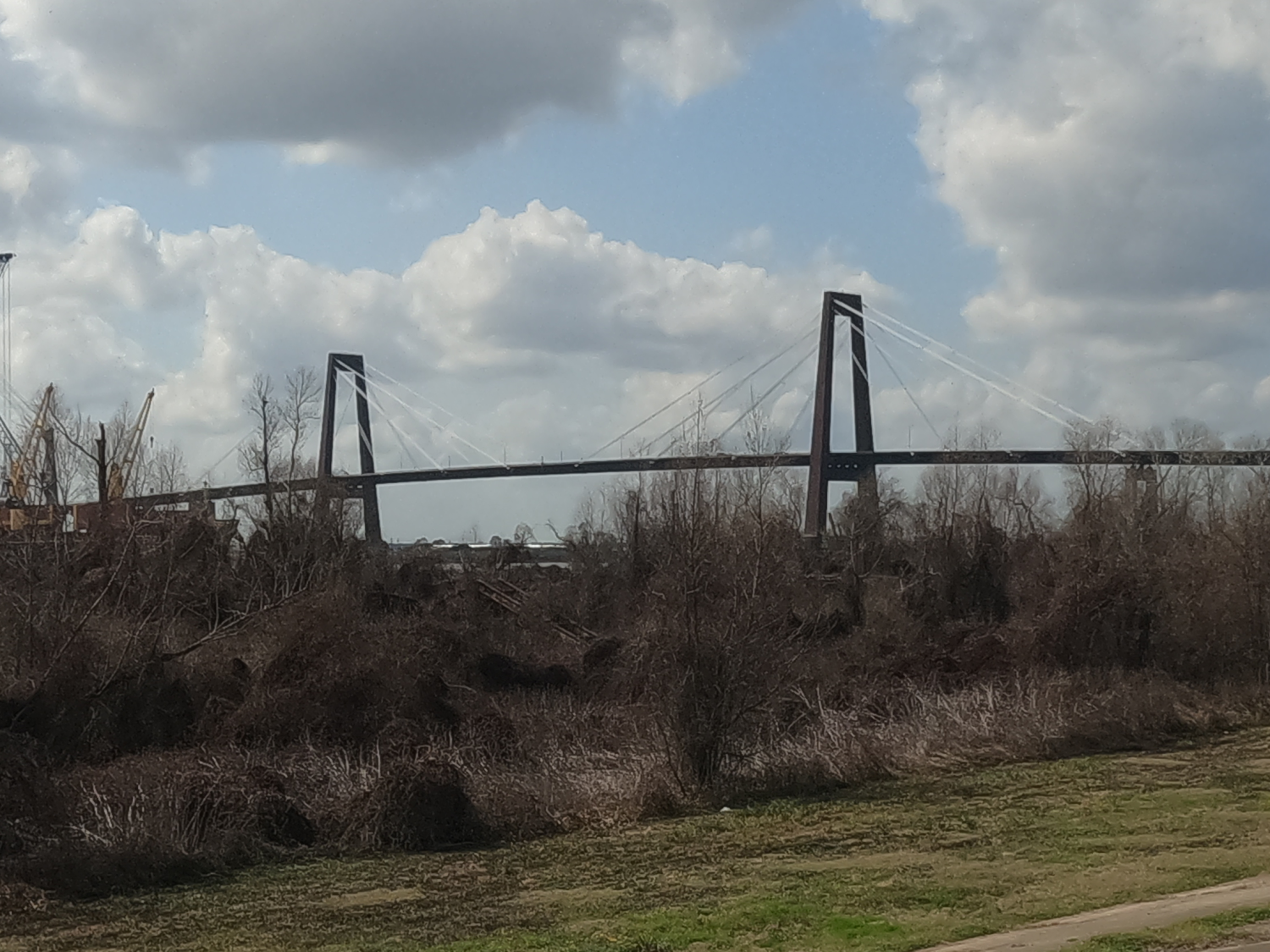
Hale Boggs Memorial Bridge
NBI Information
Location
State: Louisiana
County: St. Charles Parish
Feature Carried: I-95
Feature Crossed: Piscataqua River
Latitude, Longitude: 29.9446,-90.3729
Toll: On free road
Maintenance Responsibility: State Highway Agency
Structure Open, Posted, or Closed to Traffic: Open, no restriction
History
Year Built: 1983
Historical Significance: Bridge is not eligible for the National Register of Historic Places.
Year Reconstructed: None
Picture Date: February 20, 2026
Geometry
Lanes on Structure: 4
Lanes under Structure: 0
Skew: 0 degrees
Number of Main Spans: 5
Main Structure Type: Stayed Girder
Main Structure Material: Steel Continuous
Number of Approach Spans: None
Approach Structure Type: None
Approach Structure Material: None
Condition
Inspection Date: February 2023
Deck Condition: Satisfactory
Superstructure Condition: Satisfactory
Substructure Condition: Fair
Channel Condition: Very Good
Culvert: Not Applicable
NBI Year: 2025
Bridge Information
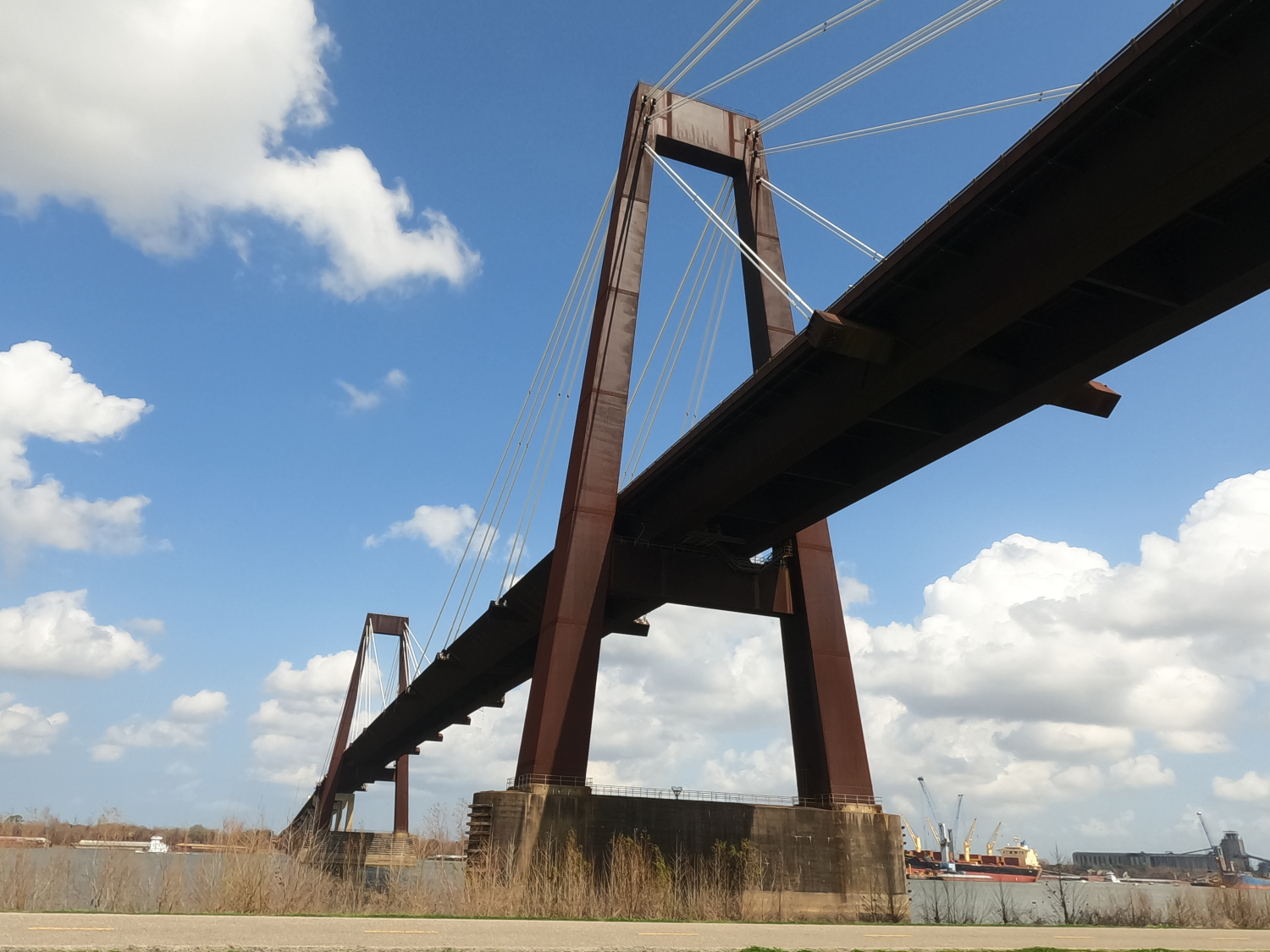
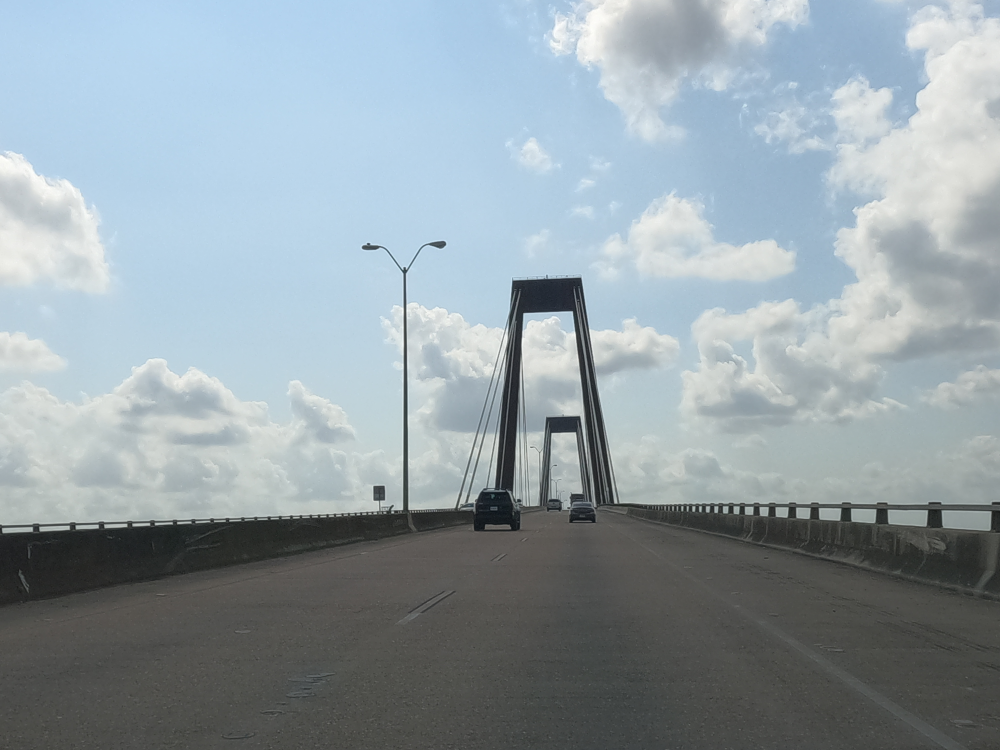
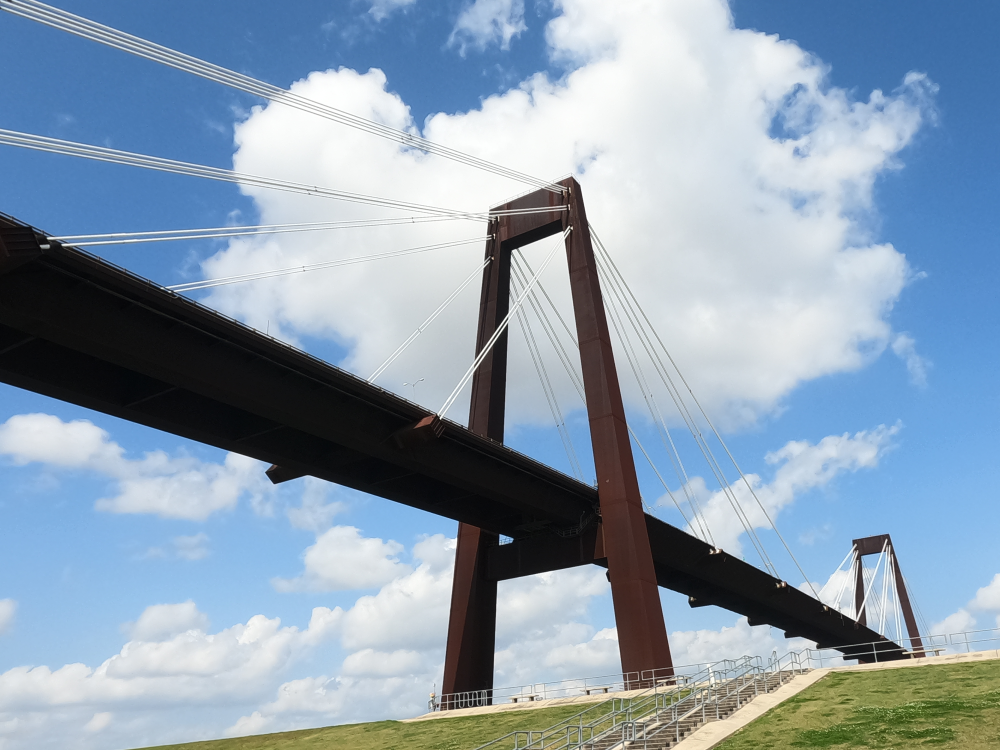
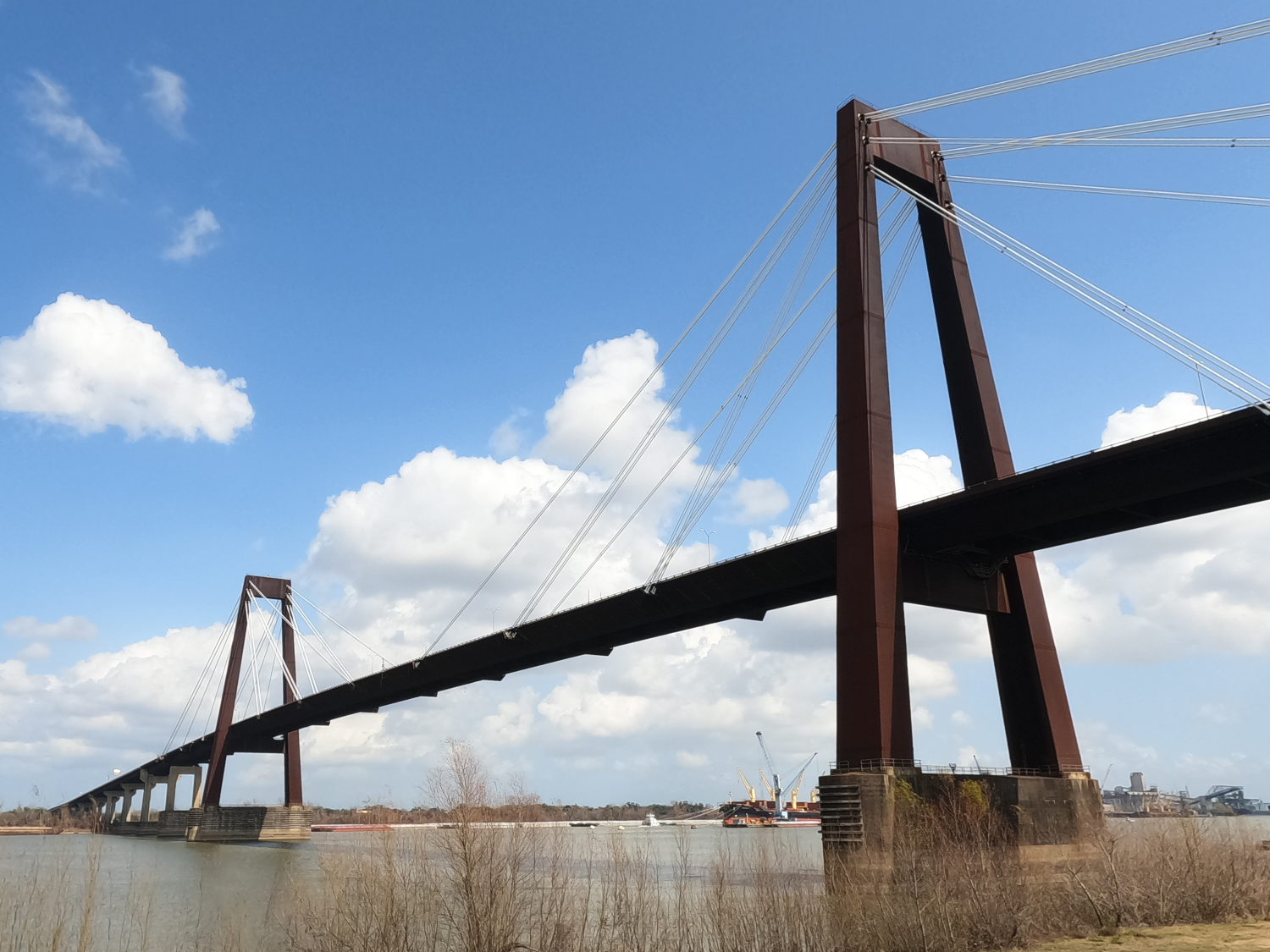
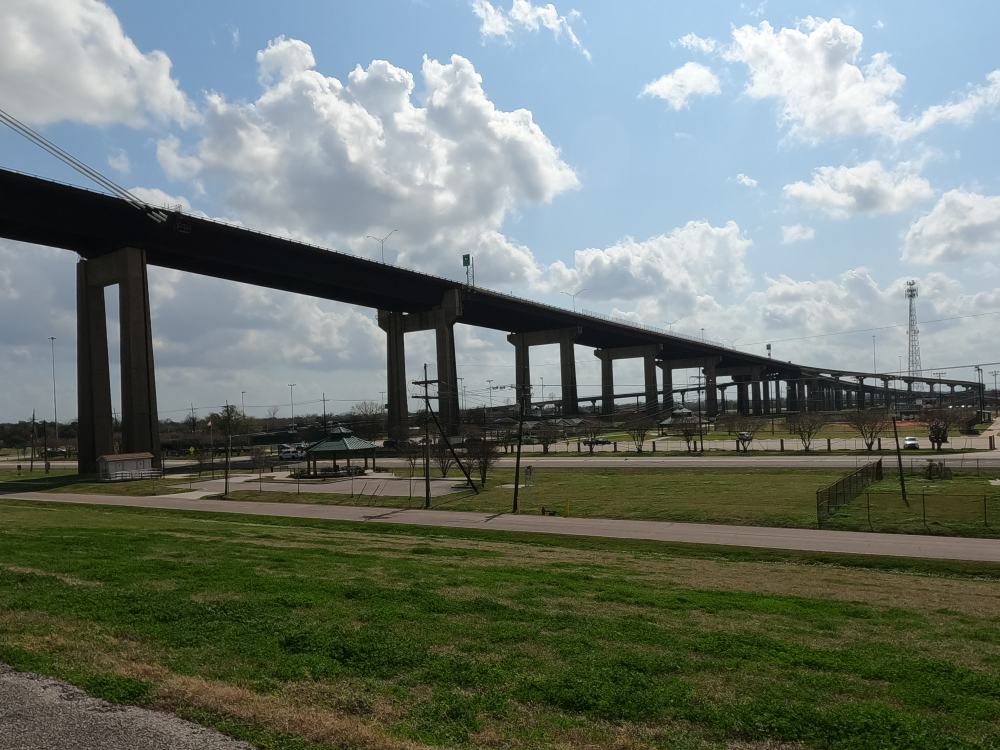
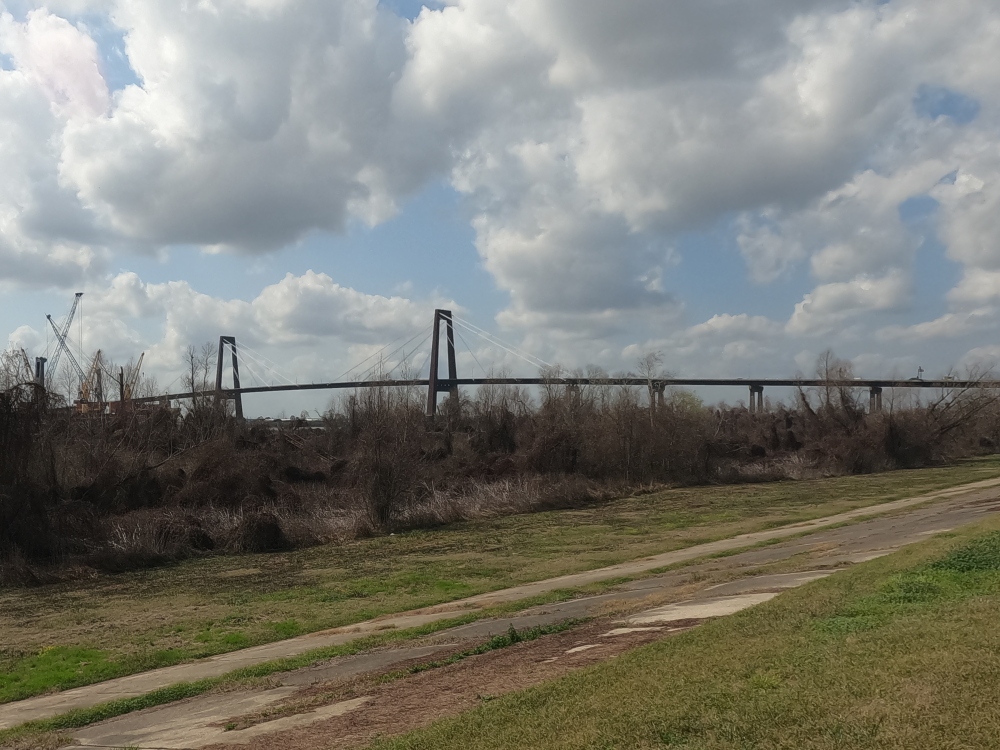
The Hale Boggs Memorial Bridge, also known as the Luling Bridge, is a cable-stayed bridge over the Mississippi River near New Orleans. The bridge opened on October 6, 1983, making it the third major cable-stayed bridge to be built in the United States (after the John O'Connell Bridge in Alaska and the Pasco-Kennewick Bridge in Washington). It was the first cable-stayed bridge to be built across the Mississippi River, and, in 1993, it became the first cable-stayed bridge on the Interstate Highway System, after the newly completed Interstate 310 utilized the bridge.
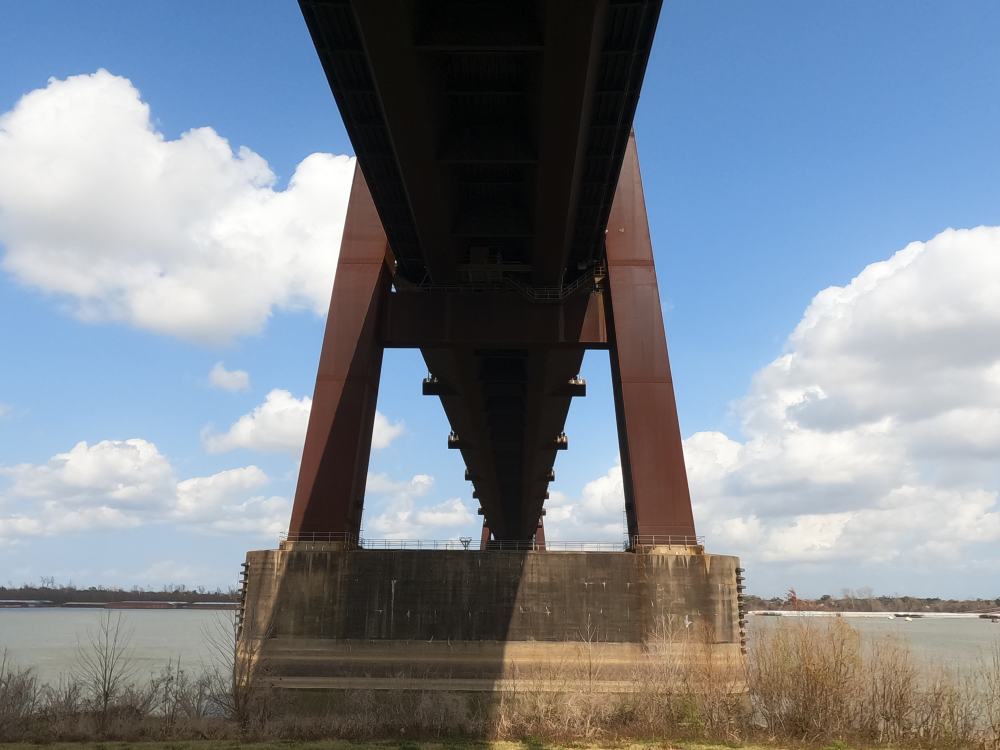
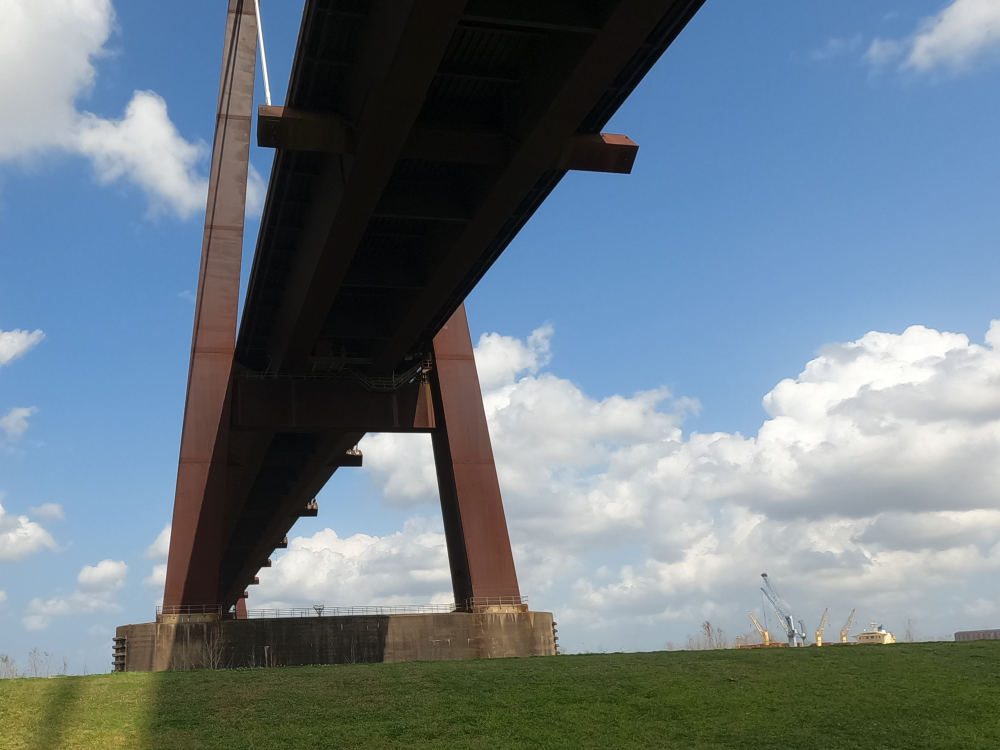
This bridge features unpainted weathering steel towers and superstructure. At the time of its construction, weathering steel was still a fairly new technology, although it was rapidly gaining popularity. Weathering steel exhibits uniform oxidation or "rusting" that results in a uniform protective patina and reduces maintenance requirements. Shortly after the bridge was constructed, it was noticed that the steel in the towers was rusting much faster than was expected. This was caused by a combination of the very humid environment and poor airflow inside the towers.
The prefabricated steel cables feature a heavy polyethylene sheathing to protect the steel. This coating began to crack before the cables were installed, which led to moisture intrusion and deterioration. There were additional problems with rust and water leakage in the anchorages. Different repairs were attempted to correct the defects in the cable sheathing, but these repairs performed poorly and failed to protect the cables.
In 2002, an in-depth inspection of the cables was performed, using thermography to determine the full extent of the deterioration. During this inspection, 40 of the 72 cables were rated as critical. A retrofit project was completed between 2012 and 2025 to replace all 72 cables and other stay components. The project also included cleaning the existing anchorage boxes, cleaning and sealing the superstructure, retrofitting the access hatches, repairing the fairing plates, and replacing the expansion joints. The project utilized temporary stay cables to relieve the tension from the main cables. This limited the stress redistribution to adjacent cables and allowed for the bridge to remain operational during the project.
The bridge was formally named the Hale Boggs Memorial Bridge in March of 1985. Hale Boggs was elected to the US House of Representatives from Louisiana in 1940. He was instrumental in passing legislation which created the interstate highway system. In 1972, while serving as the Majority Leader, an airplane carrying Hale Boggs and Congressman Nick Begich disappeared over Alaska, the aircraft was never found, and Boggs was declared dead in 1973.
This bridge was already under construction in the late 1970’s, when the Louisiana Department of Highways operated 3 ferries; the Luling–Destrehan Ferry, the Edgard–Reserve Ferry, and the pedestrian Taft–Norco Ferry. On the morning of October 20, 1976, the Luling–Destrehan Ferry collided with a Norwegian tanker and sank. Of the 96 passengers and crew abord the ferry, 78 were killed, making this the deadliest ferry disaster in United States history. It was later determined that the ferry pilot was intoxicated and failed to notice or react to the tanker. This accident spurred changes in maritime law and caused the state to focus on removing the ferries. The Hale Boggs Memorial Bridge opened in 1983 to replace the Luling–Destrehan Ferry and the Veterans Memorial Bridge opened in 1989 to replace the Edgard–Reserve Ferry. The Taft–Norco Pedestrian Ferry still operates, and none of the Mississippi River Bridges in Louisiana allow pedestrians.
References